Department of Homeland Security Shutdown: Impact on Employees, Immigration Enforcement, and Airport Security
The Department of Homeland Security has faced a shutdown due to a lack of funding, impacting over 260,000 employees. The shutdown is focused solely on DHS and not other federal agencies, affecting various functions such as immigration enforcement, disaster response, and airport security. Lawmakers are at an impasse over demands made by Democrats to reform immigration officer conduct, with some bipartisan support for certain measures like body cameras but disagreement on others like prohibiting agents from wearing masks.
Efforts to pass a short-term funding extension were blocked by Democrats, leading to the shutdown. While ICE and CBP officials stated that enforcement operations may not be significantly impacted due to previous funding, USCIS and TSA employees are expected to continue working. TSA workers, in particular, may face challenges if the shutdown prolongs, as seen in past instances where financial constraints led to increased absences.
The shutdown could affect travelers if it extends beyond a few weeks, especially impacting airport security workers. TSA leaders expressed concerns about the financial strain on employees and the potential difficulty in retaining workers. While the aviation industry may not be severely affected in February, the upcoming spring break season could see increased traffic.
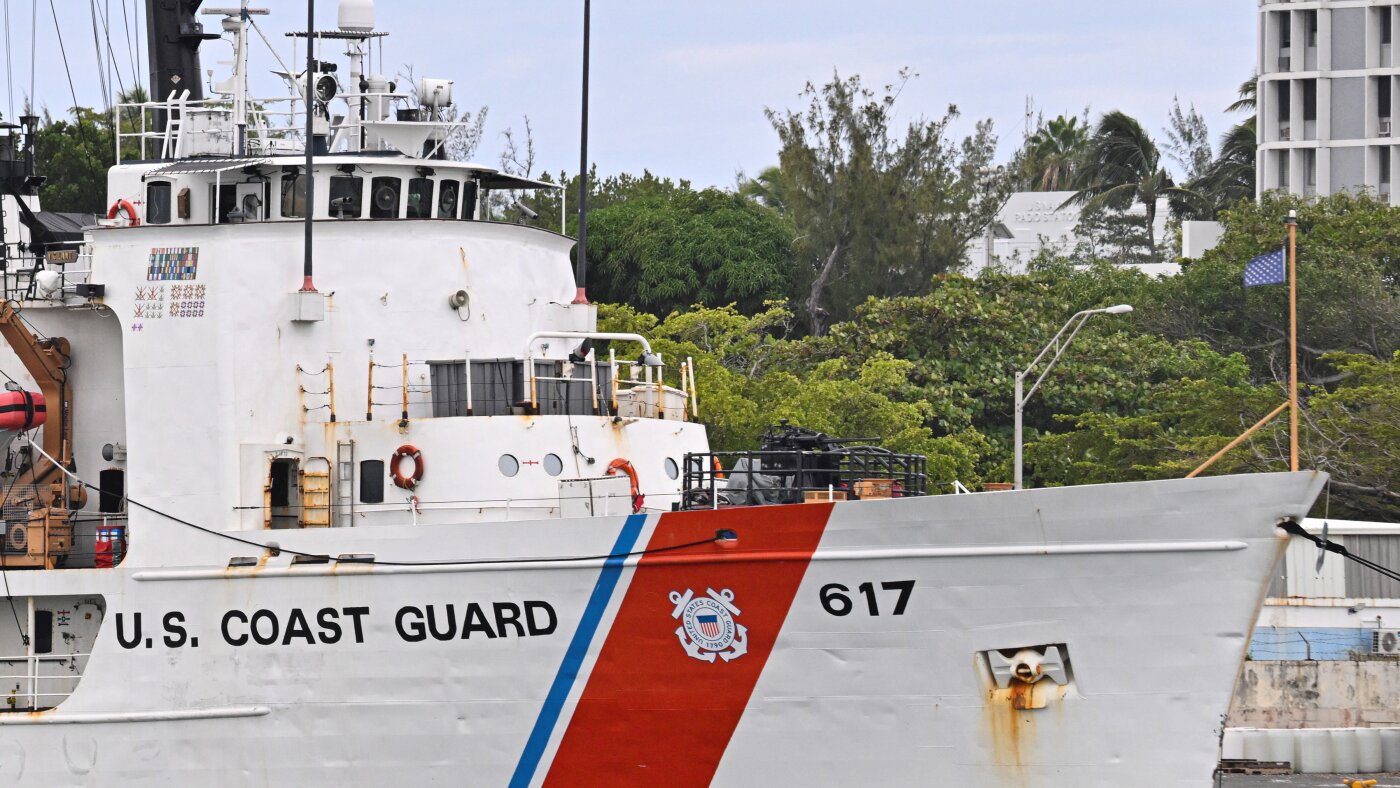
FEMA's disaster response activities are funded through the Disaster Relief Fund, which has sufficient balances to continue emergency response efforts. However, the shutdown may slow down long-term recovery efforts, affecting infrastructure repairs and other recovery projects. The U.S. Coast Guard, a vital branch of the military under DHS, would have to suspend non-essential missions and defer training and maintenance during a shutdown, impacting its operations and personnel.