Understanding the Recent Decline in US Inflation Rates: Implications for Consumers and the Economy
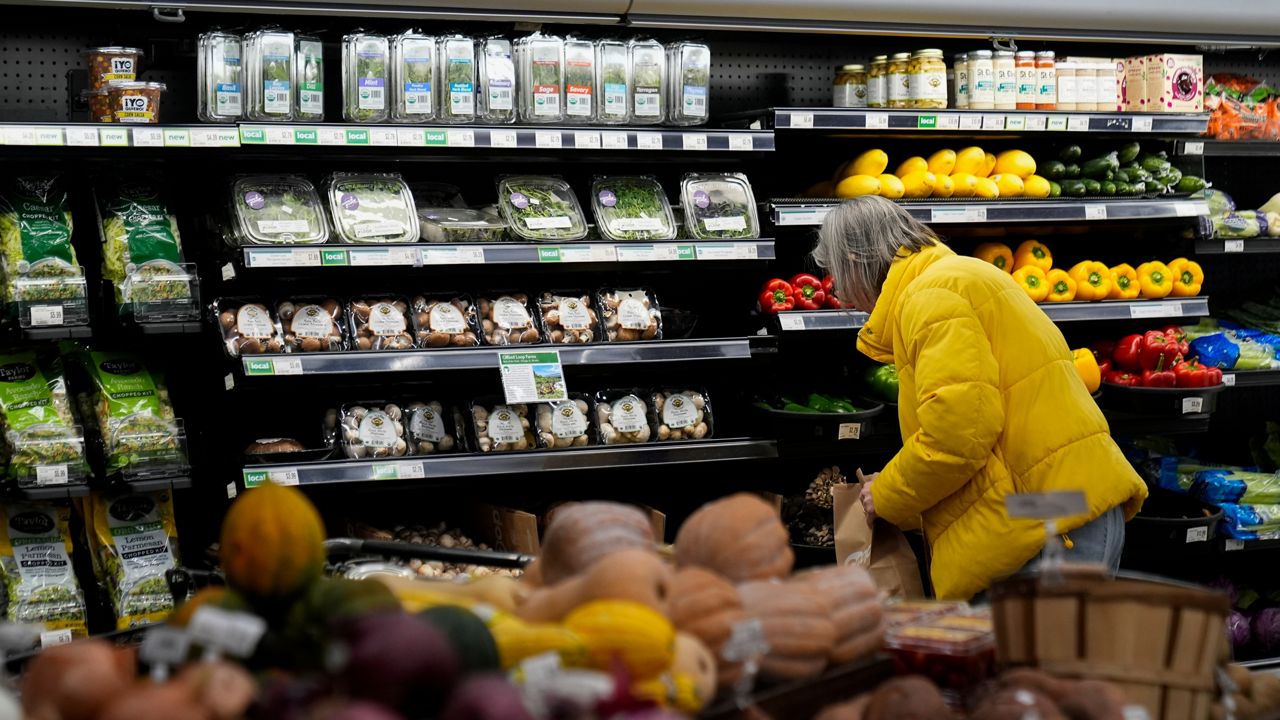
Inflation in the United States decreased to 2.4% in January, marking a significant drop from the previous month and nearing the Federal Reserve's target of 2%. Core prices, excluding food and energy, also saw a modest increase of 2.5%, the smallest rise since March 2021. This decline in inflation is attributed to slower growth in apartment rental prices and a decrease in gas prices, providing some relief to consumers facing rising costs over the past five years.
The latest report indicates a potential cooling of inflation, following a period of sharp increases in the prices of essential goods like food, gas, and housing. Consumer prices have surged by about 25% over the past five years, leading to concerns about affordability. The widespread impact of rising costs has sparked political debates on how to address the issue and make essential goods more accessible to the public.
As inflation shows signs of easing, consumers may experience some relief from the financial strain caused by the recent surge in prices. The decrease in inflation rates could have a positive impact on household budgets and overall economic stability. It remains to be seen how policymakers and businesses will respond to these developments and whether further measures will be taken to address the affordability concerns raised by the public.
In conclusion, the recent decline in inflation rates in the United States offers a glimmer of hope for consumers facing rising costs. The moderation in price growth for essential goods and services could alleviate some of the financial burdens on households. As the economy continues to navigate through these challenging times, the focus on affordability and ensuring access to basic necessities remains a key priority for policymakers and businesses alike.