Unraveling the Mystery: The FBI's Handling of Epstein Surveillance Video
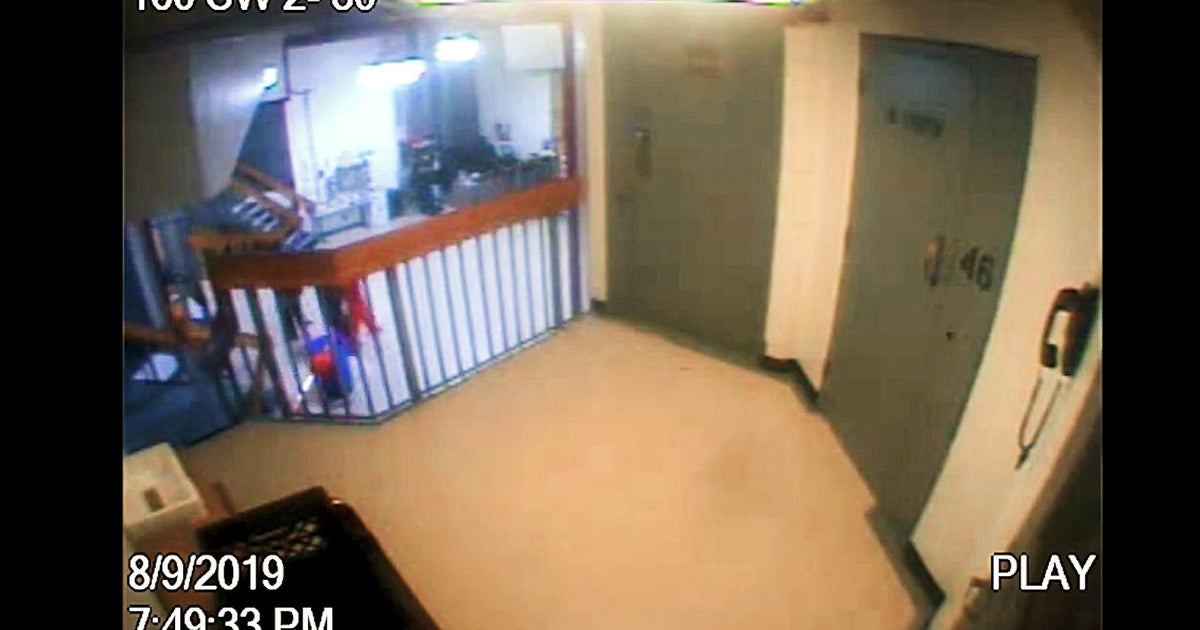
Newly disclosed documents reveal the FBI's efforts to clarify why a screen recording with a missing minute from the night Jeffrey Epstein died was released instead of the original footage. This discrepancy sparked conspiracy theories about a cover-up, as the FBI had initially promised to release the unedited surveillance footage from Epstein's Manhattan jail. The agency never publicly explained how the video with a gap in footage was released.
Last year, amid mounting pressure for transparency regarding the Justice Department's records on Epstein, the FBI faced a dilemma: it had already disposed of the master copy of surveillance video from Epstein's final hours at the Metropolitan Correctional Center. An FBI agent received authorization in June 2024 to destroy an evidence item labeled 1B60, which contained the archive of Manhattan Correctional Center video images. The justification for destroying the video was based on the case being closed and compliance with evidence handling procedures.
By mid-2025, the Justice Department needed the destroyed evidence reconstructed, leading to a complex effort to rebuild the video files. The process involved obtaining another copy of the footage stored on a digital video recorder system used in the jail. Despite efforts to re-record the footage, 62 seconds of footage remained missing, creating a gap in the video released to the public.
Following the release of the video, questions arose about the missing minute, with Attorney General Pam Bondi attributing it to the nightly reset of the prison recording system. However, experts questioned the plausibility of this explanation, as it was based on a speculative theory that had not been verified. The FBI specialist attempted to merge the screen recordings using video editing software but encountered challenges due to file format compatibility issues.
Further analysis by Wired revealed discrepancies in the video editing process, indicating that footage had been trimmed before release. The inclusion of "padding" in the screen capture, a common practice to allow for editing flexibility, led to differences in the final video compared to the source clips. A CBS News investigation highlighted changes in the video's aspect ratio after midnight, raising additional questions about the editing process.
In conclusion, the FBI's handling of the surveillance video from Epstein's jail cell has raised concerns about transparency and accountability. The reconstruction of the destroyed evidence and the discrepancies in the released video have fueled speculation and skepticism about the agency's actions in the high-profile case.