NGA Cancels White House Meeting Amid Partisan Exclusion: Emphasizing Unity and Bipartisan Cooperation
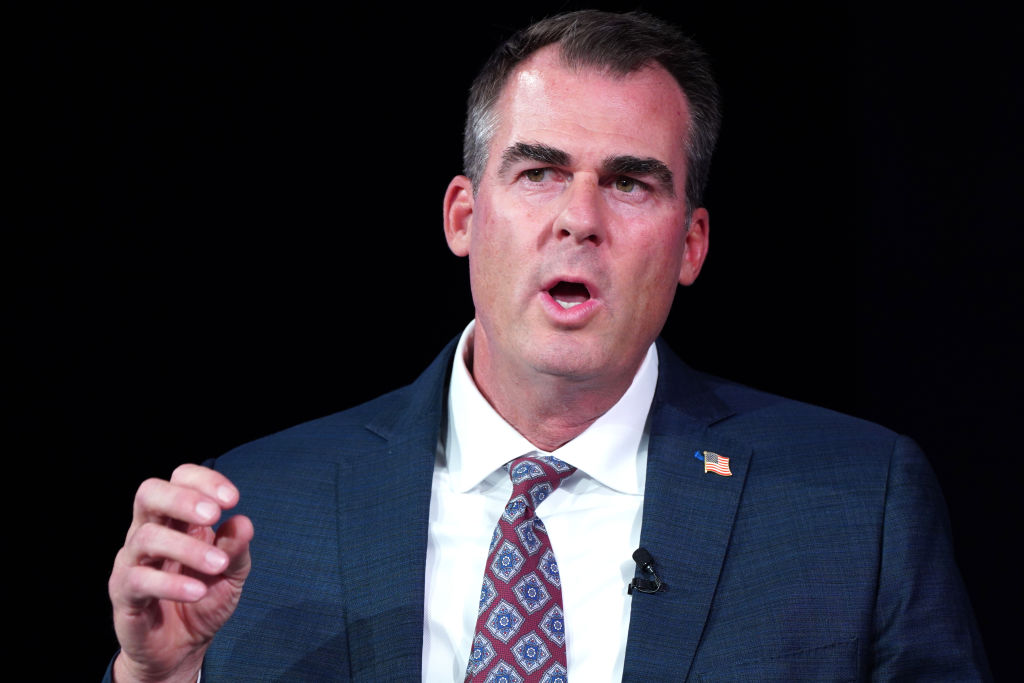
The National Governors Association (NGA) recently decided to cancel its annual White House meeting after President Donald Trump only invited Republican governors, excluding Democratic governors. The meeting, which is typically bipartisan, provides an opportunity for governors to interact with each other and the president. Oklahoma Governor Kevin Stitt announced the cancellation, emphasizing the importance of representing all governors and maintaining unity despite the exclusion of Democratic governors.
Governor Stitt highlighted that the NGA's mission is to represent all 55 governors and that divisive actions should not hinder their shared duty to serve the people. Despite the exclusion of Democratic governors from the White House meeting, the NGA remains committed to pragmatic leadership and collaboration. The association will convene in Washington from February 19-21, focusing on their responsibilities to the public.
Reports surfaced that Maryland Governor Wes Moore and Colorado Governor Jared Polis, both Democrats, were not invited to the bipartisan dinner at the White House. In response, the Democratic governors expressed their unity and commitment to advocating for their states' residents. Governor Moore, as the only Black governor in the country and NGA Vice Chair, raised concerns about the exclusion, emphasizing the importance of bipartisan cooperation and federal-state partnerships.
The decision to exclude Democratic governors from the White House dinner sparked controversy, with Governor Moore and others highlighting the significance of bipartisan collaboration in governance. Despite the exclusion, Democratic governors remain dedicated to working towards positive outcomes for their states and communities. The White House defended the president's decision, stating that he has the discretion to invite guests to events held at the White House.
In conclusion, the NGA's cancellation of the annual White House meeting due to the exclusion of Democratic governors underscores the importance of bipartisan cooperation and unity in governance. Despite the partisan divide, governors remain committed to serving their constituents and working towards common goals for the benefit of the nation.