2026 Tax Refund Disparity: How the 'K-Shaped' Economy Impacts American Consumers
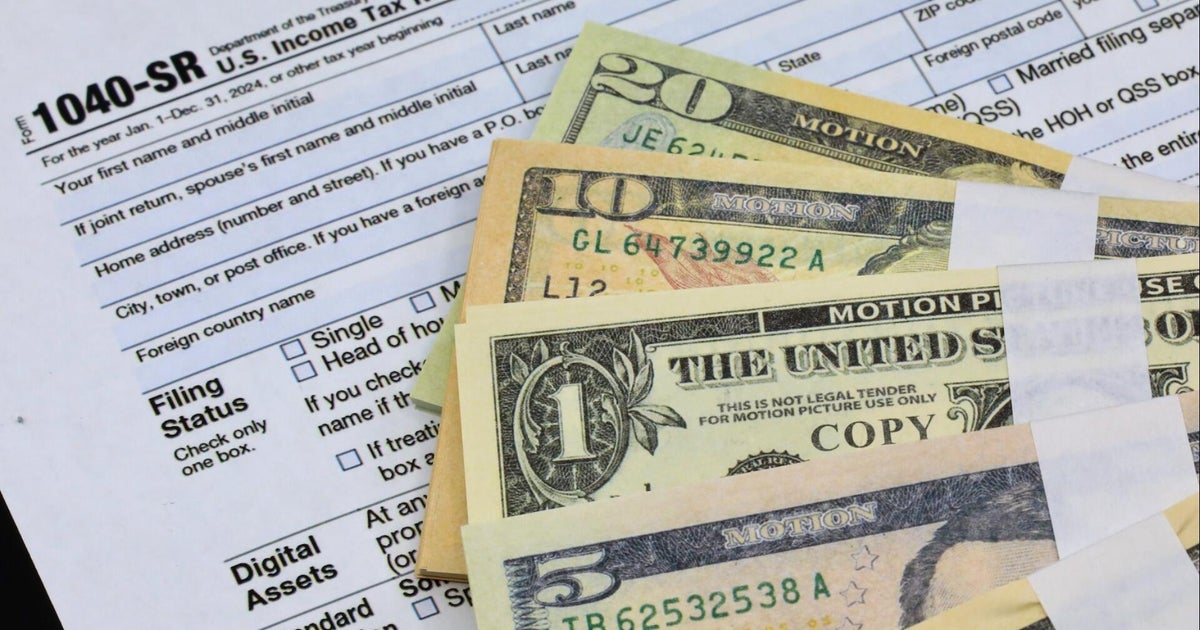
The U.S. economy is experiencing a "K-shaped" trend that is impacting tax refunds for American consumers. Higher-income households are expected to receive larger tax refunds compared to lower-income families due to changes in the tax laws. The One Big Beautiful Bill Act, signed into law in July 2025, extended tax cuts from 2017 and introduced new tax breaks, benefiting wealthier Americans more. This economic pattern reflects the widening gap between wealthier individuals and lower-income workers, driven by a booming stock market and increasing home prices.
According to Principal Asset Management, the average taxpayer can expect a boost of over $700 in their cash refund this year, with the typical refund reaching around $3,800. However, the benefits of these tax refunds are skewed towards higher-income households. The top 1% of earners will not benefit as much as the top 10% or 5% due to income thresholds that phase out certain tax deductions for top earners. For example, the state and local tax deduction cap has been raised to $40,000, but it begins to phase out for taxpayers earning more than $500,000.
Principal Asset Management's analysis shows that the top 1% of earners will see an average increase of $908 in their tax refunds this year. This amount is significantly lower than the additional $3,748 that households in the top 5% are expected to receive from the IRS. On the other hand, lower-income earners making $33,000 or less will see an average increase of $18 in their refund checks this year. This disparity in tax refunds for 2026 is likely to widen the existing "K-shaped" divergence among consumers, particularly affecting lower-income individuals facing affordability challenges amidst inflation and a softening labor market.
Despite the unequal distribution of tax refunds, some lower-earning households may benefit from new tax breaks introduced in the One Big Beautiful Bill Act. For instance, workers in the hospitality industry could see juicier refunds due to deductions for tips and overtime. This highlights the varied impact of the tax law changes on different income groups, contributing to the ongoing economic disparity in the U.S.
In conclusion, the "K-shaped" economy is influencing tax refunds in 2026, with higher-income households expected to receive larger refunds compared to lower-income families. The tax law changes introduced in the One Big Beautiful Bill Act are amplifying the economic divide between wealthier Americans and lower-income workers, reflecting the broader trend of income inequality in the country.