Protecting Livestock: New Sterile Screwworm Fly Center in Texas
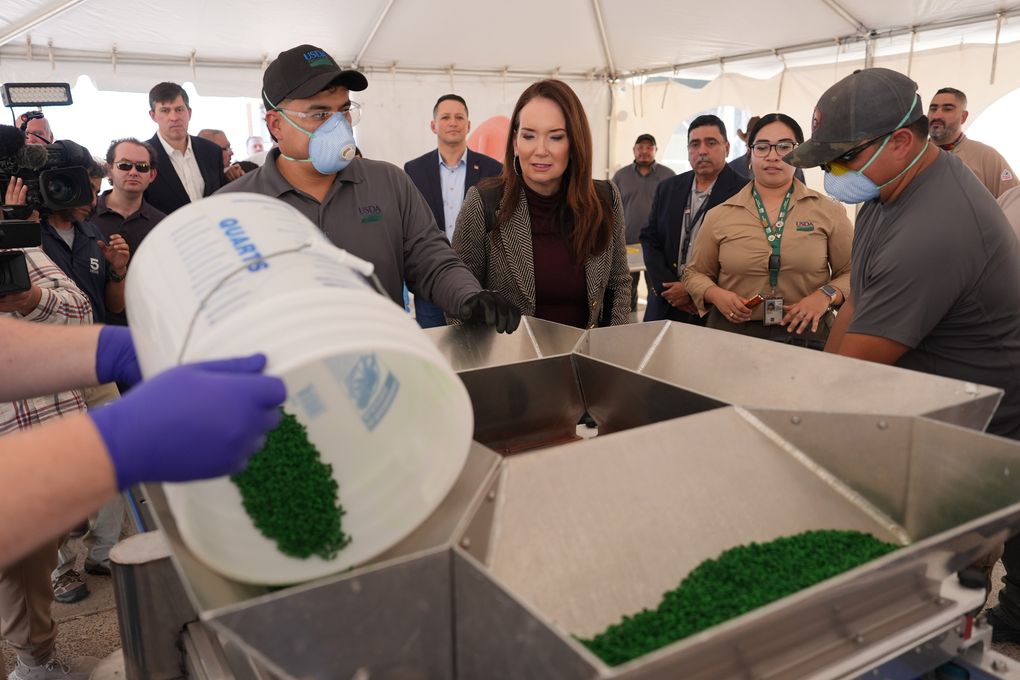
A new center for releasing sterile screwworm flies from U.S. soil has been established in Texas to prevent the spread of the flesh-eating parasite across the Mexican border. U.S. Agriculture Secretary Brooke Rollins and Texas Gov. Greg Abbott inaugurated the facility near Edinburg, Texas, where millions of sterile male New World screwworm flies will be dispersed on both sides of the border to control the pest population.
The U.S. Department of Agriculture is constructing a $750 million factory nearby to breed sterile flies, with completion expected by the end of 2027. Additionally, a fruit fly breeding facility in southern Mexico is being converted into a screwworm fly breeding facility with a $21 million investment. The sterile male flies will mate with wild females, preventing the hatching of maggots that can harm livestock, wild animals, pets, and humans.
The opening of the facility in Tampico, Mexico, for dispersing Panama-bred flies was a temporary solution until the new center in Texas was established. The Mexican cattle industry has suffered from screwworm fly infestations, leading to the closure of the U.S. border to cattle, bison, and horses imports since July. The U.S. aims to replicate the success of a previous program that eradicated the pest from American soil in the 1970s.
The U.S. had previously shut down its fly factories after eliminating the pest but faced sporadic outbreaks, such as in the Florida Keys in 2017. The new facility in Texas is expected to produce 300 million sterile flies per week, significantly increasing the capacity for controlling the screwworm fly population. The USDA is also offering grants for projects to enhance fly breeding, develop new traps and lures, and create treatments for infestations.
In conclusion, the establishment of the sterile screwworm fly dispersal center in Texas marks a significant step in preventing the spread of this harmful parasite and protecting the American cattle industry. The collaborative efforts between federal, state, and local authorities demonstrate a commitment to safeguarding livestock and wildlife from the devastating effects of the New World screwworm fly.