Immigration Judge Denies Trump Administration's Deportation Attempt: Rümeysa Öztürk's Case Overview
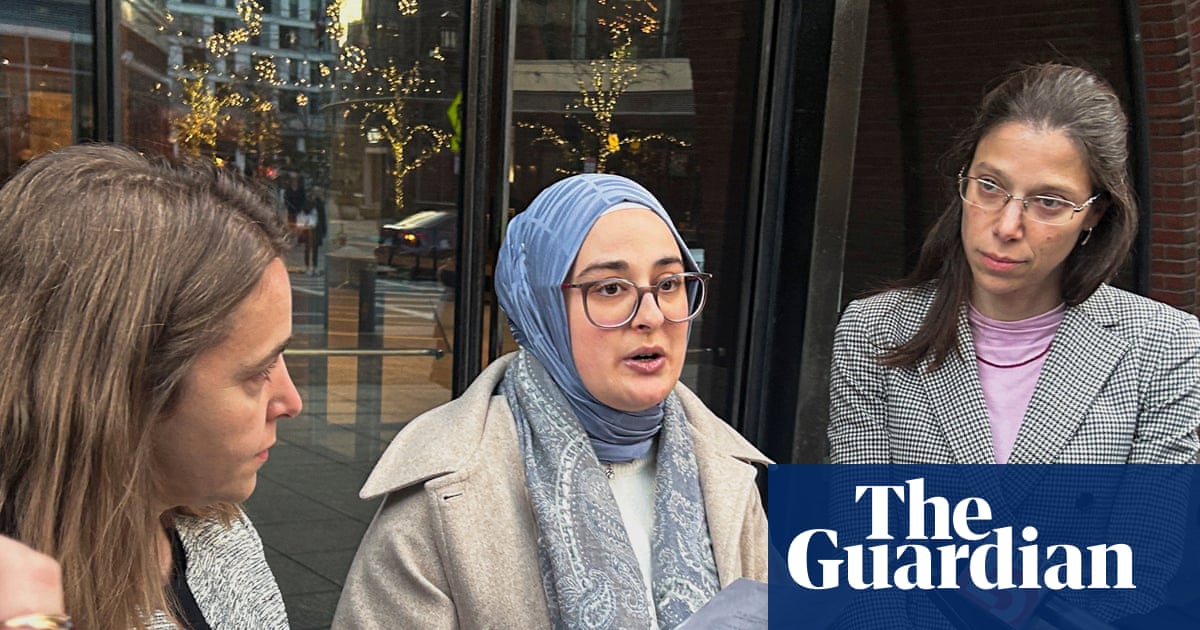
An immigration judge has denied the Trump administration's attempt to deport Rümeysa Öztürk, a Tufts University PhD student who was detained last year in connection with the targeting of pro-Palestinian campus activists. Her legal team revealed the judge's decision in a filing with the second US circuit court of appeals in New York, which had previously ruled in her favor, leading to her release from immigration custody in May.
On January 29, an immigration judge in Boston determined that the US Department of Homeland Security (DHS) had failed to prove Öztürk's removability and terminated the proceedings against her, as reported by her lawyers at the American Civil Liberties Union. This ruling marked a significant development in the case that began with Öztürk's arrest by immigration authorities in Massachusetts in March, following the revocation of her student visa by DHS.
The decision by immigration judge Roopal Patel brought a temporary halt to the legal proceedings initiated after Öztürk's arrest, which stemmed from an editorial she co-authored in Tufts' student newspaper criticizing the university's response to Israel's conflict with Gaza. Öztürk expressed relief at the judge's decision, acknowledging the flaws in the justice system but finding hope for others who have faced similar injustices at the hands of the US government.
While the specifics of the immigration judge's decision remain undisclosed to the public, there is a possibility that the administration could challenge it before the board of immigration appeals, a component of the US Department of Justice. The Department of Homeland Security, responsible for overseeing US Immigration and Customs Enforcement, did not provide any immediate comment on the matter.
Öztürk's arrest in Somerville, Massachusetts, was captured in a widely circulated video that sparked outrage and condemnation from civil rights organizations. The former Fulbright scholar spent 45 days in a detention facility in Louisiana before a federal judge in Vermont intervened, ordering her prompt release upon finding credible evidence that her detention may have been a form of unlawful retaliation violating her freedom of speech rights.