Immigration Detention Crisis: Prolonged Detention and Substandard Conditions in US Facilities
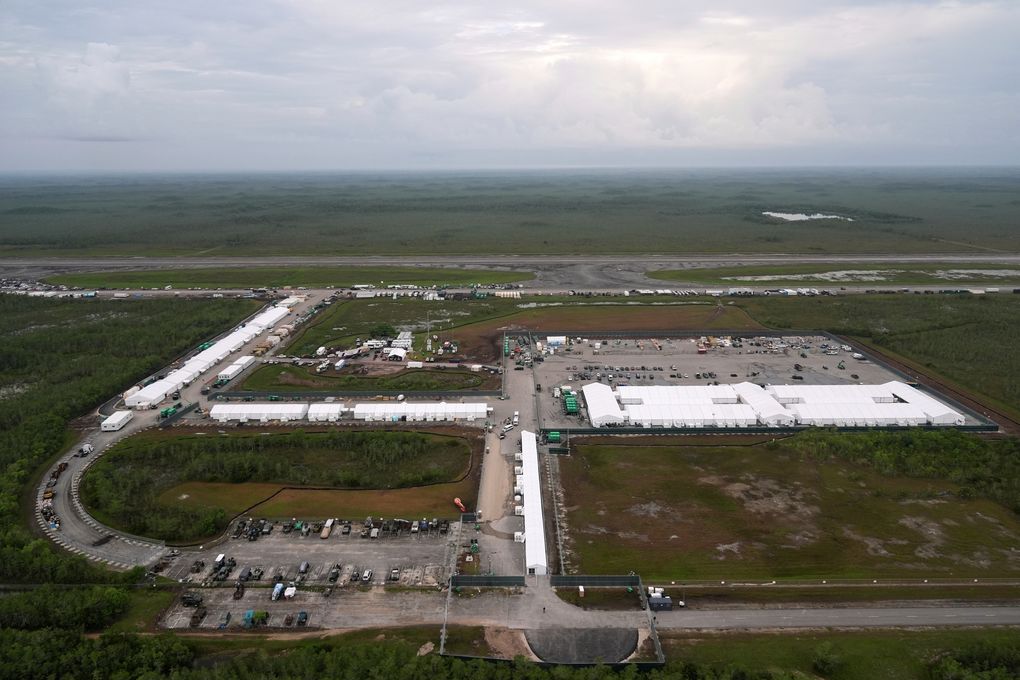
Felipe Hernandez Espinosa, a 34-year-old asylum-seeker, spent time at an immigration holding center in Florida known as "Alligator Alcatraz" before being transferred to an immigration detention camp at the Fort Bliss Army base in El Paso, Texas. The conditions at these facilities have been reported to be substandard, with issues such as worms in food, malfunctioning toilets, and overflowing sewage. Hernandez, who has been in detention for nearly seven months, expressed his desperation and desire to return to Nicaragua. However, due to a new policy that restricts the release of detainees during deportation proceedings, many individuals like Hernandez are facing prolonged detention without committing any crimes.
The Supreme Court has set a six-month limit on how long Immigration and Customs Enforcement (ICE) can hold immigrants in detention. Despite this, the number of individuals in ICE custody for over six months has been on the rise, with over 7,000 people held for extended periods in mid-January. The Trump administration has offered incentives for voluntary departure, but detainees like Hernandez are unable to leave until they have a hearing before a judge. This situation has led to a sense of hopelessness among detainees who are ready to be deported but are stuck in detention.
Attorney Ana Alicia Huerta shared her experience of meeting detainees who have signed forms agreeing to leave the United States but are still waiting for their deportation. The delays in processing these cases have left many individuals confused and frustrated. The Department of Homeland Security did not provide a clear explanation for the increase in prolonged detention periods. The conditions in detention facilities have been described as deplorable, leading some detainees to consider giving up on their efforts to stay in the United States.
Individuals with protection under the United Nations Convention Against Torture are also being held in detention for extended periods, despite being unable to be deported to their home countries. In the past, these migrants were released and granted work permits, but the current practice involves keeping them in custody indefinitely. The lack of progress in their cases has left many detainees, including those who have won their immigration cases, languishing in jail. The situation has raised concerns about the treatment of detainees and the impact of prolonged detention on their mental and physical well-being.
In conclusion, the increase in prolonged detention of immigrants in the United States has raised questions about the fairness and effectiveness of the immigration system. The lack of clarity and delays in processing cases have left many individuals in limbo, unsure of their future. The conditions in detention facilities have been criticized, and the impact of prolonged detention on detainees' well-being cannot be ignored. As the debate over immigration policies continues, it is essential to address the challenges faced by individuals in detention and ensure that their rights are protected.