Understanding the ASPS's Recommendation on Gender-Related Surgery for Minors: A Closer Look at the Recent Developments
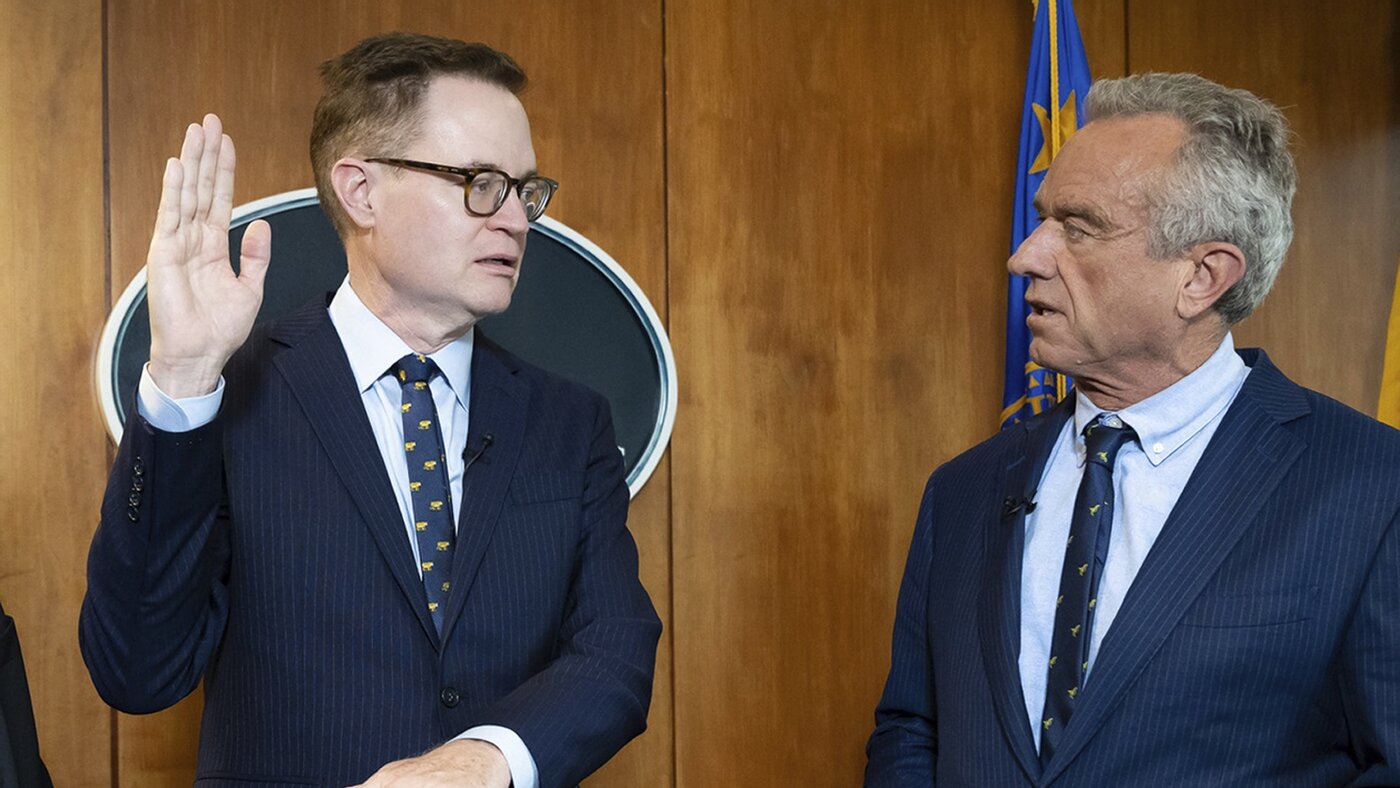
The recent statement from the American Society of Plastic Surgeons recommending that doctors delay gender-related surgery until a patient is at least 19 years old has been celebrated by the Trump administration. The ASPS clarified that this new position statement is not a reversal of a previous stance but rather a recommendation based on the current evidence and legal environment. The Trump administration has been actively working to end surgeries and gender-affirming care for minors, with President Trump signing an executive order to enforce this policy.
The Department of Health and Human Services has been critical of research supporting access to gender-affirming care and has warned state Medicaid directors about the implications. Federal health officials have proposed a rule to withhold Medicare and Medicaid funding from hospitals providing gender-affirming care to children and teens, leading to the closure of hospital gender clinics across the country. The threat of malpractice lawsuits, state bans, and hospital closures has limited options for transgender teenagers seeking surgery.
The ASPS recommends delaying gender-related surgery until a patient is at least 19 years old, with most surgeries performed on individuals under 18 being top surgery. The group does not gather data on the exact number of surgeries performed but acknowledges that state-level bans on gender-affirming care have impacted access to surgery for transgender minors. The ethical considerations for cosmetic procedures in adolescents differ from gender-affirming surgery, as the latter is irreversible and involves lifelong potential harms.
A mother in California shared her experience of supporting her transgender son who underwent top surgery at the age of 17. She highlighted the challenges her son faced while binding his chest and the positive impact the surgery had on his well-being. The ASPS's position statement aligns with existing standards of care for transgender youth, emphasizing the importance of waiting until adulthood for surgical interventions.
The American Medical Association and the American Academy of Pediatrics have clarified their positions on surgical interventions for minors, emphasizing evidence-based treatment and individualized decision-making. The ASPS's recommendation to delay surgery until age 19 is consistent with existing standards of care for transgender youth. The political pressure exerted by the Trump administration has influenced the narrative surrounding the ASPS's position statement, framing it as a significant shift in medical practice.