Uncovering Injustice: Alberto Castañeda Mondragón's Story of Brutality and Resilience in Immigration Detention
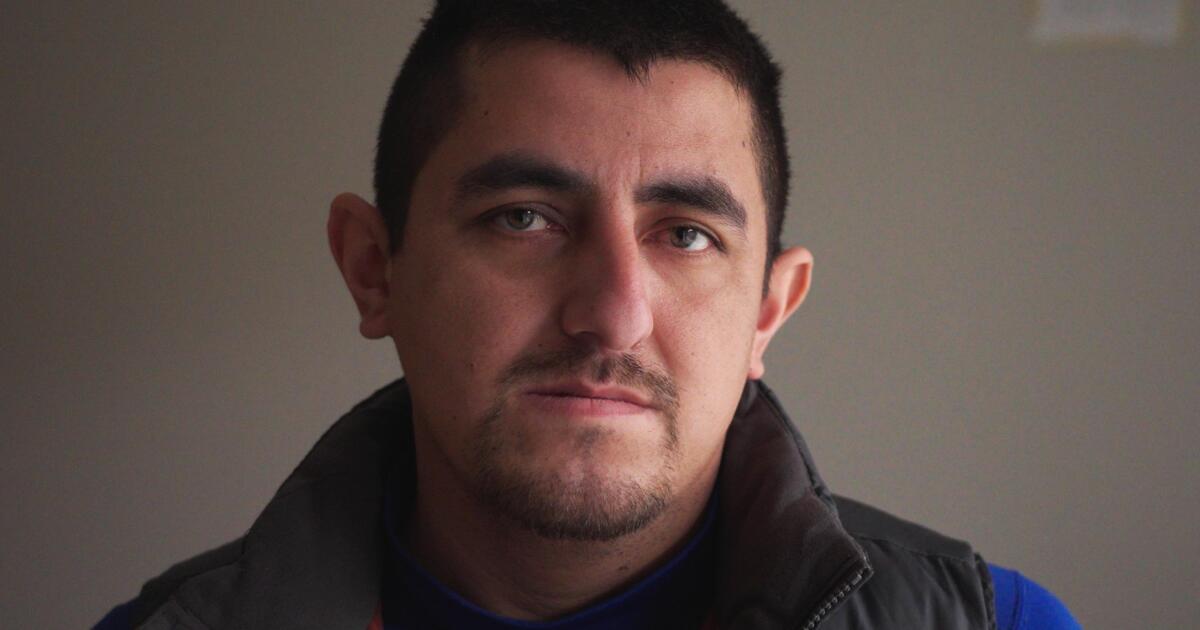
Alberto Castañeda Mondragón recounts a harrowing experience of being violently beaten by immigration officers in Minnesota, resulting in severe injuries that have left lasting effects on his memory and physical abilities. Despite avoiding deportation during the Trump administration's crackdown, Castañeda Mondragón suffered multiple skull fractures and brain hemorrhages from the encounter. The excessive-force claims in his case have not been investigated by the federal government, highlighting the challenges faced by immigration detainees in such situations.
The incident unfolded when Castañeda Mondragón was pulled from a friend's car by ICE agents outside a shopping center in St. Paul. He was subjected to physical violence, including being punched, struck with a steel baton, and dragged into an SUV before being taken to a detention facility where the beatings continued. The severity of his injuries, which required emergency medical treatment, raised concerns about the use of force by the officers involved.
Despite the claims made by ICE officers that Castañeda Mondragón had injured himself purposefully, medical professionals and experts have questioned the narrative, pointing to the extent of his injuries as inconsistent with accidental causes. The use of force, particularly striking the head with a baton, has raised ethical and legal concerns, as it is considered potentially deadly force and should only be used in specific circumstances.
Following his arrest and subsequent release from ICE custody, Castañeda Mondragón faces a challenging road to recovery, both physically and emotionally. His memory loss, balance issues, and coordination difficulties pose significant obstacles to his daily life and work as a driver and roofer. The uncertainty of his future, coupled with the financial burden of ongoing medical care, has prompted support from the community through fundraising efforts to aid in his rehabilitation.
Despite the trauma he has endured, Castañeda Mondragón remains hopeful for a better future and expresses gratitude for the support he has received. His story sheds light on the complexities and injustices faced by immigrants in detention and underscores the need for accountability and transparency in law enforcement practices. The fear and trauma he continues to experience serve as a stark reminder of the lasting impact of such violent encounters and the importance of seeking justice for those affected.