Jimmy Lai's National Security Trial: A Crucial Test for Press Freedom in Hong Kong
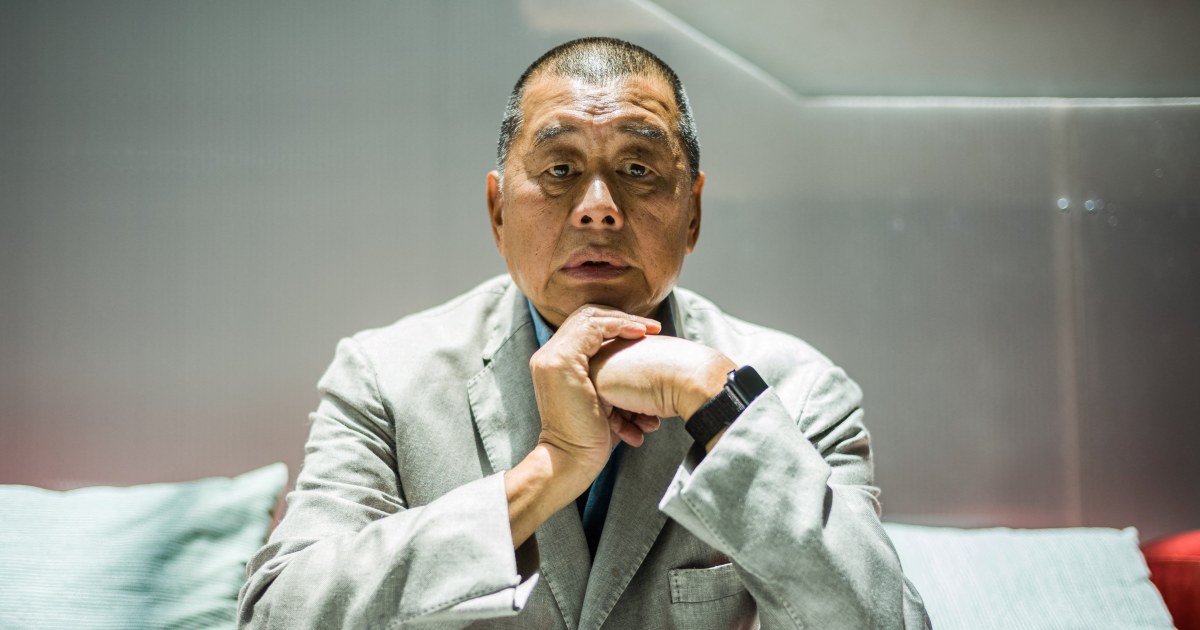
Hong Kong activist Jimmy Lai is facing sentencing in a high-profile national security trial that has garnered global attention and highlighted Beijing's crackdown on dissent in the region. Lai, a well-known media mogul and critic of China's Communist Party, could potentially receive a life sentence. The trial has been condemned by various governments as politically motivated and indicative of the shrinking space for dissent in Hong Kong, which returned to Chinese control in 1997.
The outcome of Lai's case is anticipated to have far-reaching implications for press freedom in Hong Kong and beyond. Concerns have been raised about Lai's health during his prolonged detention, with rights groups and his family expressing worries about his well-being. Despite assurances from Hong Kong officials regarding his medical treatment, Lai has spent a significant amount of time in solitary confinement.
Lai's arrest and subsequent charges in 2020 came in the wake of Beijing's imposition of a national security law following widespread protests in Hong Kong. The authorities maintain that the law was necessary to restore order after the unrest, emphasizing that Lai's case is not related to press freedom. Foreign leaders, including former U.S. President Donald Trump and British Prime Minister Keir Starmer, have voiced their support for Lai and raised concerns about his conviction.
The independence of Hong Kong's judicial system has been defended by local officials, who have accused foreign governments of meddling in internal affairs. Chief Justice Andrew Cheung emphasized the importance of upholding the rule of law in the face of calls for Lai's release. Lai, the founder of the now-defunct Apple Daily newspaper, was found guilty on charges of conspiring to publish seditious articles and lobbying foreign governments to take action against China and Hong Kong.
In conclusion, Jimmy Lai's sentencing in the national security trial is a pivotal moment that will shape the future of press freedom in Hong Kong. The case has underscored the challenges faced by dissenting voices in the region and has sparked international concern over the erosion of civil liberties. The outcome of Lai's trial will reverberate beyond Hong Kong, serving as a litmus test for the state of democracy and free speech in the territory.