Anutin Charnvirakul: Navigating Thailand's Political Landscape with Nationalist Rhetoric
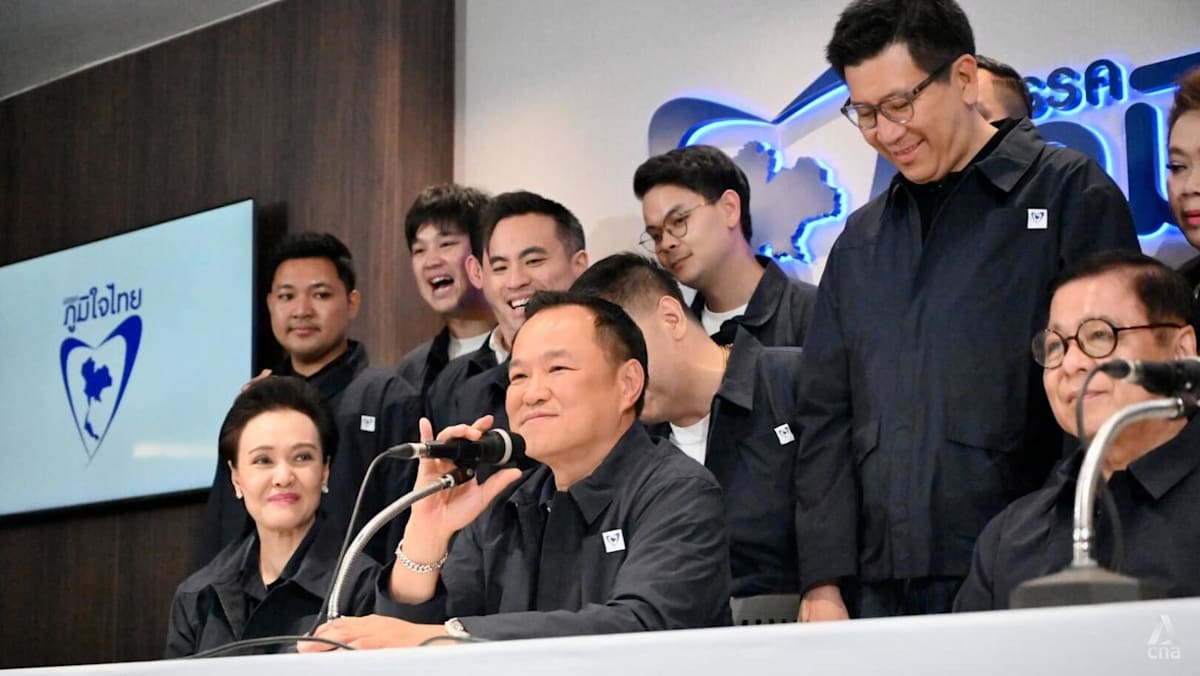
Anutin Charnvirakul, a prominent figure in Thailand's political landscape, has been making waves with his nationalist rhetoric ahead of the general election. His Bhumjaithai Party has positioned itself as the natural choice for patriotic Thais, promising to safeguard the country and its interests. This strategy seems to have resonated with voters, as preliminary results show Bhumjaithai taking a significant lead over other political parties.
Anutin's political career has been marked by his ability to navigate the complex terrain of Thai politics. From championing the legalization of cannabis to leveraging nationalist sentiments following a border conflict with Cambodia, he has strategically positioned himself as a strong leader capable of leading the country. If he succeeds in forming a government, Anutin will be the first Thai prime minister in two decades to be re-elected, highlighting the country's political instability.
Born into a family with a legacy of influence and wealth, Anutin has followed in his father's footsteps in both business and politics. His father, Chavarat Charnvirakul, founded a successful construction company and also had a brief stint in politics. Anutin's rise to power has been steady, with his ability to balance provincial power dynamics and appeal to urban voters playing a crucial role in his political ascent.
Anutin's Bhumjaithai Party has evolved from a provincial outfit to a national force under his leadership. By forging alliances with key powerbrokers and appealing to a diverse voter base, he has transformed the party into a formidable political entity capable of leading a coalition government. The conservative-royalist establishment has also thrown its support behind Anutin, viewing his party as a strategic counterbalance to progressive and populist movements in the country.
Despite his political success, Anutin faces significant challenges ahead. Thailand's economy is struggling, exacerbated by trade tensions and high household debt. Regional dynamics, including tensions with neighboring countries and internal conflicts, further complicate the situation. The road ahead for Anutin and his government will be fraught with challenges, requiring strategic decision-making and strong leadership to navigate the complex political landscape.
In conclusion, Anutin Charnvirakul's political journey reflects the intricate dynamics of Thai politics. His nationalist rhetoric and strategic alliances have propelled him to the forefront of the country's political scene. As he navigates the challenges of governing a politically and economically turbulent nation, Anutin will need to draw on his experience and leadership skills to steer Thailand towards stability and prosperity.