Trump's Absence at Super Bowl LX: A Reflection of Declining Cultural Influence
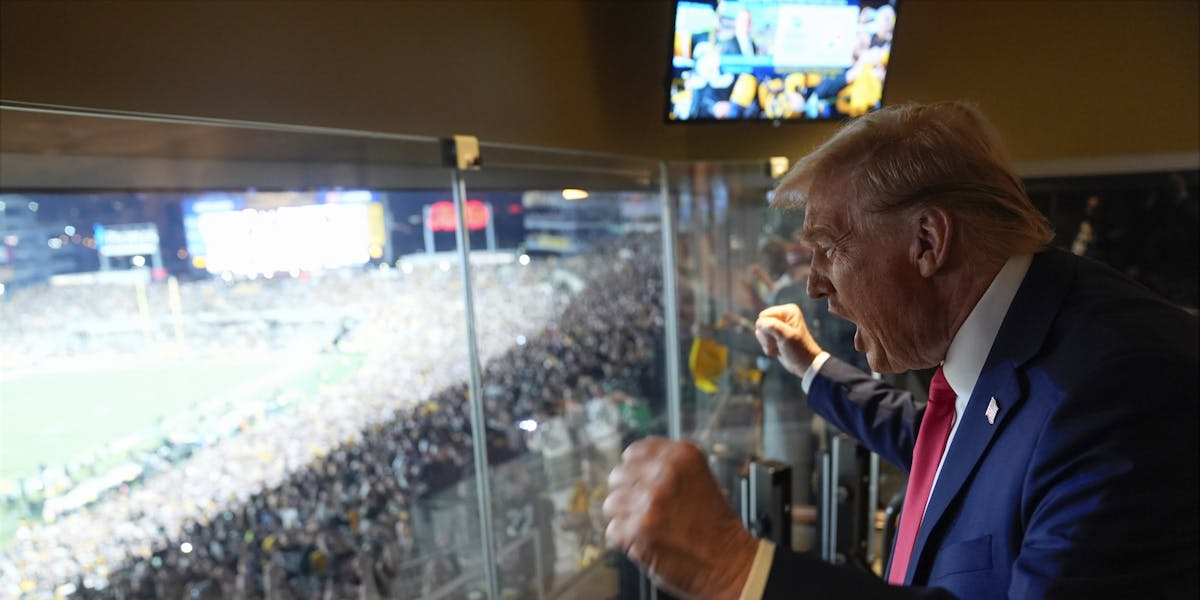
President Donald Trump has decided not to attend Super Bowl LX, citing the game's location in Santa Clara, California, as too far away. He also expressed disapproval of the halftime show featuring Bad Bunny and Green Day, both of whom have been critical of him and his administration. Trump's absence from the event is seen as a reflection of his declining popularity and the potential for a negative reception from the crowd if he were to attend.
Trump's decision not to attend the Super Bowl and the alternative halftime show organized by Turning Point USA indicate a shift in his cultural influence. Previously celebrated in the sports world, Trump's absence and the lackluster alternative show suggest a decline in his cultural power. The rise of the "Trump dance" among various demographics has waned, signaling a change in public perception of the president.
The choice of Kid Rock as a performer at the alternative halftime show has drawn criticism due to his controversial lyrics and fading relevance in the music industry. TPUSA's embrace of Kid Rock reflects a desperate attempt to align with pro-Trump figures in the absence of more prominent supporters. The right's struggle to maintain cultural relevance is evident in their reliance on outdated and controversial artists.
The right-wing's efforts to gain cultural influence have faced setbacks in recent times, with public figures distancing themselves from Trump and his administration. Anti-ICE sentiments have become more prevalent in various cultural spheres, indicating a widespread backlash against Trump's policies. The decline of the "Trump dance" and the shift in public opinion highlight the diminishing support for the president and his allies.
Overall, Trump's decision not to attend the Super Bowl and the lackluster alternative halftime show organized by TPUSA underscore a decline in his cultural and political influence. The right's attempts to maintain relevance through controversial figures like Kid Rock reflect a broader struggle to connect with a changing societal landscape. The backlash against Trump and his policies signals a shift in public sentiment and a reevaluation of the right's cultural standing.