Title: "EPA Reapproves Dicamba Use on Genetically Modified Crops: Balancing Weed Control and Environmental Concerns
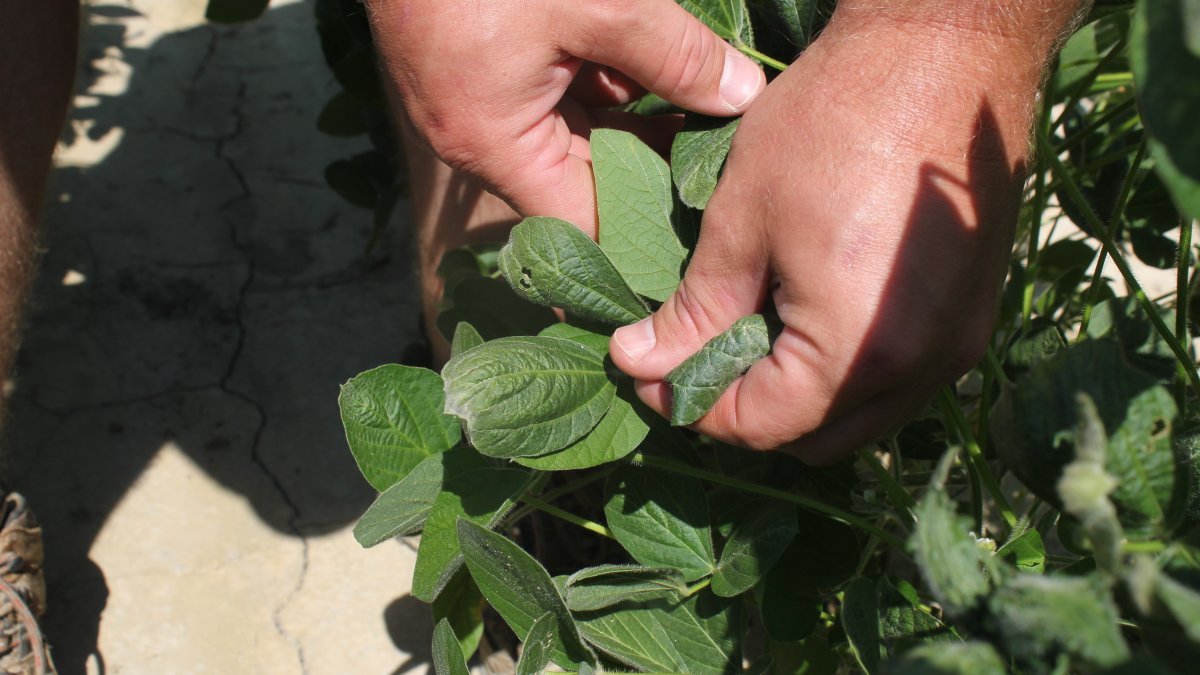
The Environmental Protection Agency has reapproved the use of the weed killer dicamba on genetically modified soybeans and cotton. Dicamba has been a controversial pesticide due to its tendency to drift and harm nearby crops. The EPA stated that dicamba is essential for farmers to combat fast-growing weeds and has implemented strict protections and usage limits to ensure its safe application.
Dicamba is a widely used weed killer that can be sprayed on genetically engineered crops without harming them. Despite being in use for many years, its usage has increased on farms recently. Critics have expressed concerns over the EPA's decision, citing previous court rulings that blocked similar efforts in the past. They believe that allowing dicamba on soybeans and cotton will lead to increased harm and widespread application.
Advocates like Kelly Ryerson from the Make American Healthy Again movement have expressed disappointment with the EPA's decision. They believe that the restrictions imposed on dicamba use are not sufficient and will perpetuate the cycle of chemical dependency among farmers. The EPA, however, maintains that growers need the weed killer and that proper management can prevent harm to humans and the environment.
The EPA has acknowledged the concerns about dicamba drifting and causing unintended damage to nearby crops. To address this, the agency has set limits on application rates, specified guidelines for hot days, and established buffer zones to protect neighboring plants. The American Soybean Association has welcomed the decision, stating that clear rules will help farmers combat destructive weeds effectively.
Environmental groups have criticized the EPA's restrictions on dicamba use, claiming that they are inadequate and ineffective in preventing damage. They argue that dicamba drift has already caused significant harm to vegetable farms, trees, and other plants. Research has also linked dicamba exposure to an increased risk of certain cancers, further raising concerns about its health impacts.
Bayer, the manufacturer of dicamba, has welcomed the federal registration approval and plans to seek state approvals for its use. They will provide training for applicators in the coming weeks to ensure safe and responsible application of the weed killer. Despite the controversy surrounding dicamba, the EPA stands by its decision to reapprove its use on genetically modified soybeans and cotton.
In conclusion, the reapproval of dicamba by the EPA has sparked mixed reactions from stakeholders. While some believe it is necessary for weed control, others are concerned about its potential harm to the environment and human health. The EPA's efforts to regulate dicamba use aim to strike a balance between supporting farmers and protecting the ecosystem. Ongoing research and monitoring will be crucial in assessing the long-term impacts of dicamba on agriculture and public health.