Navigating the Impact of COVID-19 on Cancer Diagnosis and Treatment: Insights from a Recent Study
The impact of the COVID-19 pandemic on cancer diagnosis and treatment has been a cause for concern among experts. A recent study published in JAMA Oncology sheds light on the short-term survival outcomes of cancer patients diagnosed during the pandemic years of 2020 and 2021. The study reveals that these patients experienced worse short-term survival compared to those diagnosed between 2015 and 2019, across various cancer types and stages. While COVID-19 posed a significant threat to cancer patients, the study aimed to isolate other factors contributing to the decline in survival rates.
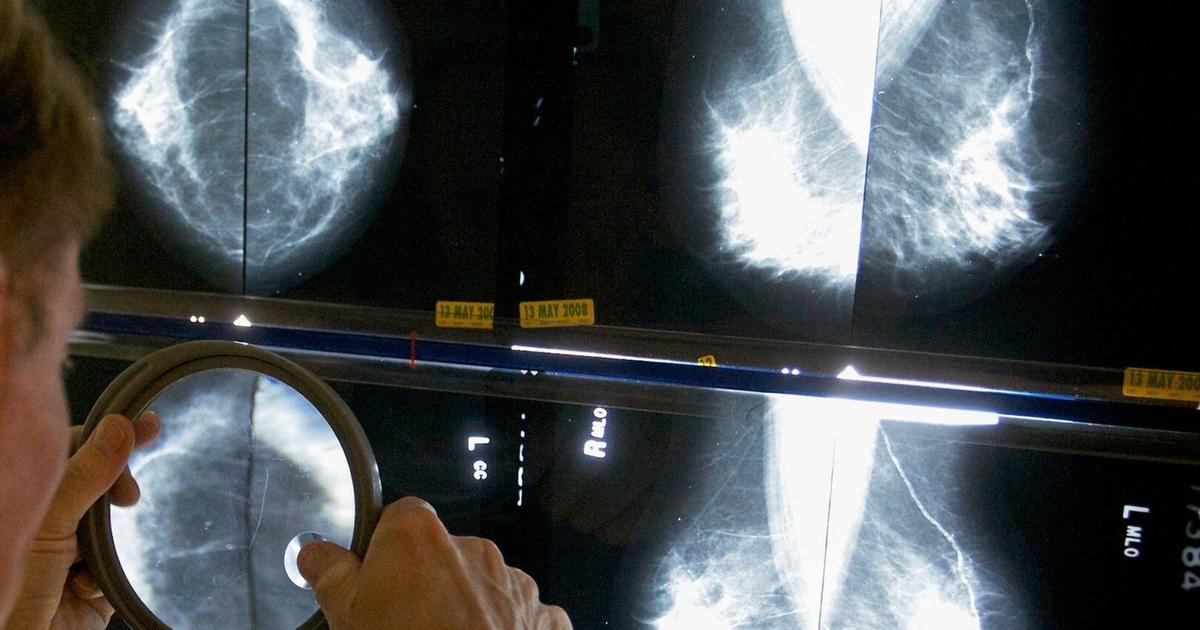
The study, led by Todd Burus from the University of Kentucky, highlights the potential role of disruptions to the healthcare system in impacting cancer patients' survival outcomes. The COVID-19 pandemic led to delays in cancer screenings such as colonoscopies, mammograms, and lung scans, as healthcare facilities were overwhelmed by the demands of the pandemic. Despite overall declines in cancer death rates during the pandemic, the study underscores the importance of understanding the specific impact of COVID-19 on cancer patients' survival.
Recinda Sherman, a researcher from the North American Association of Central Cancer Registries, commended the study for its focus on cause-specific survival outcomes during the pandemic. The findings raise questions about the discrepancy between declining overall cancer death rates and worsening short-term survival for newly diagnosed patients. While the study did not definitively identify the factors driving the decline in survival rates, further research is needed to assess the long-term implications of the pandemic on cancer mortality trends.
The study analyzed national cancer registry data of over 1 million patients diagnosed with cancer in 2020 and 2021, with approximately 144,000 deaths within one year of diagnosis. The researchers observed lower one-year survival rates for patients diagnosed at both early and late stages across all cancer sites. Notably, significant differences in survival rates were noted for colorectal, prostate, and pancreatic cancers, underscoring the impact of the pandemic on cancer outcomes.
As the healthcare system continues to navigate the challenges posed by the pandemic, ongoing research will be crucial in understanding the lasting effects on cancer patients' survival and mortality rates. The study emphasizes the need for proactive measures to mitigate disruptions to cancer care and ensure optimal outcomes for patients in the face of future health crises.