From Torture Center to Cultural Hub: The Controversial Transformation of El Helicoide in Venezuela
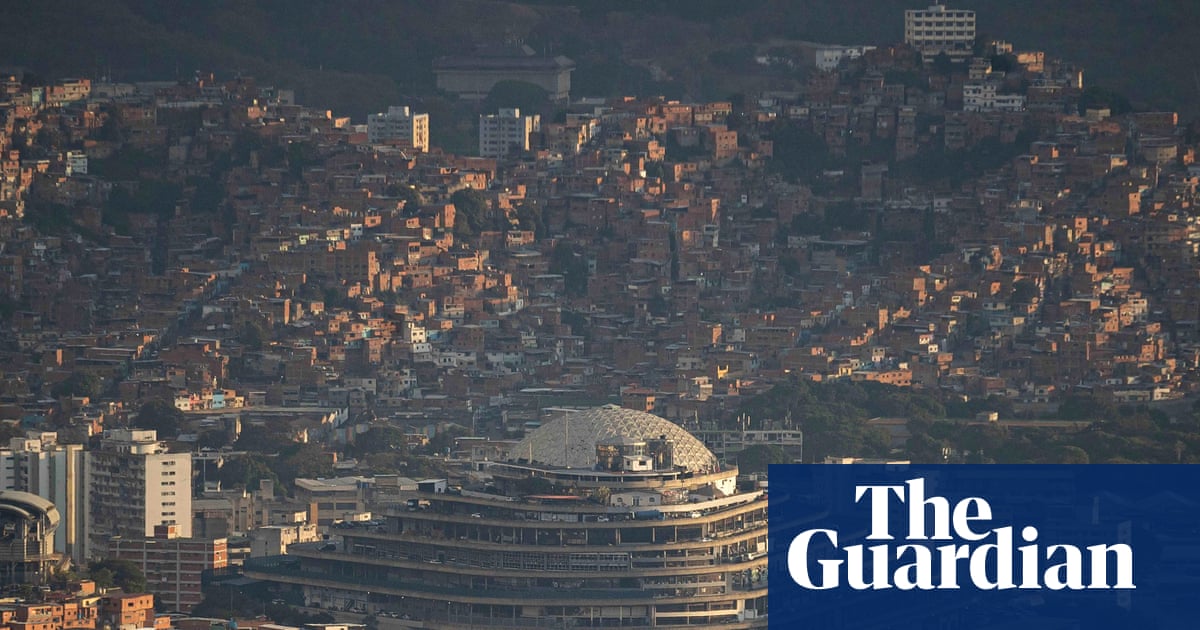
In the 1950s, plans were made for a unique "drive-through shopping centre" in Venezuela, known as El Helicoide. However, the building was never completed and later transformed into a notorious torture center for political prisoners under the leadership of Hugo Chávez and Nicolás Maduro. Recently, acting president Delcy Rodríguez announced intentions to close El Helicoide and convert it into a cultural center for sports, culture, and commerce. This move is seen as an attempt to erase the regime's history of repression and symbolize a new beginning for Venezuela.
Activists have expressed concerns about the plan to repurpose El Helicoide, suggesting that it should be transformed into a memorial site similar to the former torture center in Buenos Aires, now a museum. They believe that turning El Helicoide into a space of memory would serve as a form of reparation for victims and prevent the recurrence of such atrocities. The building's history dates back to the 1950s when it was envisioned as a modern structure but was abandoned after political changes in 1958.
Over the years, El Helicoide served various purposes, including sheltering homeless individuals and housing the domestic intelligence service headquarters. Under Chávez and Maduro, it became a detention center for political prisoners, where reports of torture and human rights abuses emerged. Activists like Angel Godoy, who spent time in El Helicoide, shared their experiences of being detained and the challenges faced during their imprisonment.
Despite recent efforts to close El Helicoide and release some political prisoners, concerns remain about the exclusion of certain individuals from the amnesty bill and the lack of transparency in decision-making processes. Activists emphasize the need for compensation for wrongfully imprisoned individuals and the involvement of former detainees, families, and civil society organizations in discussions about the future of political prisoners in Venezuela. The government's actions are scrutinized for signs of genuine change and a departure from past practices.