The Impending Expiration of the New START Treaty: Navigating the Risks of an Unrestricted Nuclear Arms Race
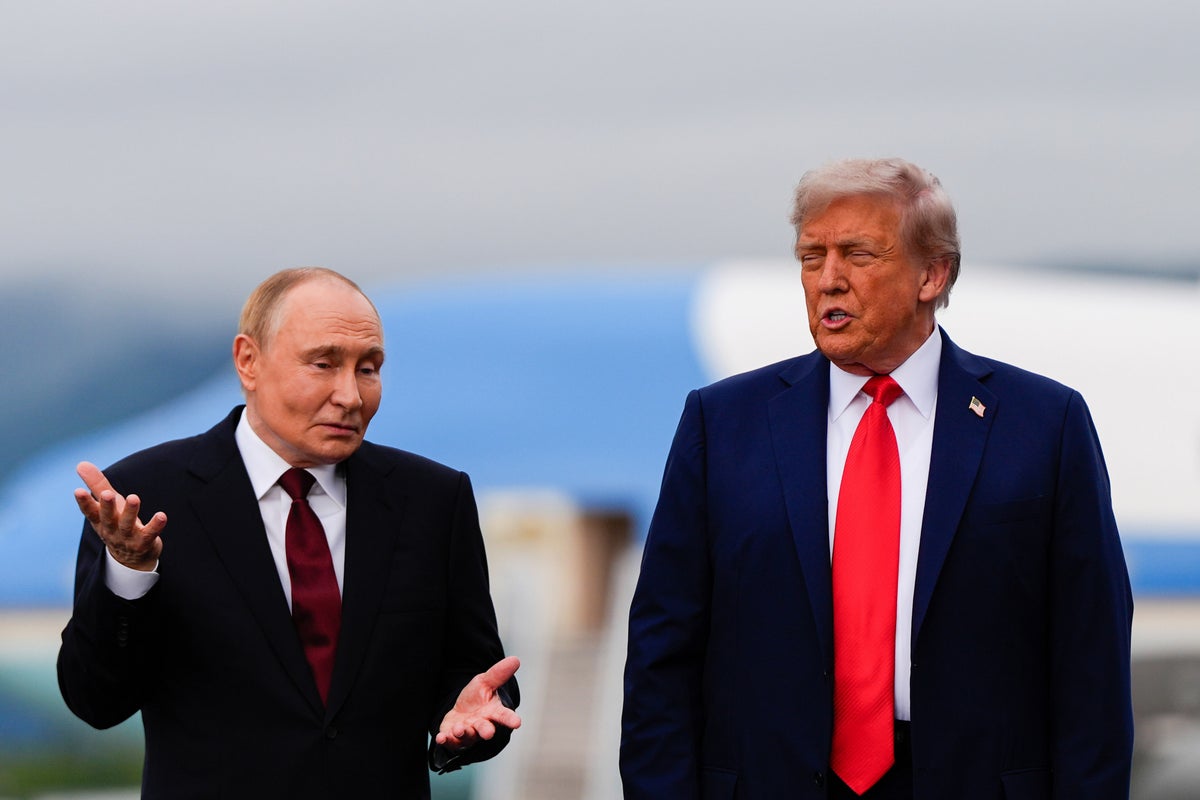
The New START treaty, the last remaining nuclear arms pact between Russia and the United States, is set to expire, potentially leading to an unrestricted nuclear arms race. Russian President Vladimir Putin has proposed extending the treaty for another year, but President Donald Trump has not committed to an extension. The treaty, signed in 2010, limits strategic nuclear weapons and includes on-site inspections to ensure compliance. However, inspections were suspended in 2023, leading to reliance on intelligence assessments. With the treaty's expiration imminent, concerns about a nuclear arms race and the lack of a successor treaty have emerged.
Opinions in the U.S. are divided on whether Trump should have accepted Putin's proposal to extend the treaty. Some argue it would demonstrate a commitment to avoiding an arms race, while others believe the U.S. should free itself from the treaty's limits to counter China's nuclear build-up. If the treaty expires, both countries could increase their missile numbers and deploy more strategic warheads, potentially leading to an unregulated arms race. Trump has expressed a desire for a new treaty, but experts warn that negotiating a successor treaty would be complex and challenging.
The expiration of the New START treaty raises concerns about the lack of constraints on long-range nuclear arsenals for the first time in over 50 years. Without a new agreement in place, the risk of nuclear escalation and arms races could increase, particularly in a time of heightened international tensions. The value of nuclear treaties lies not only in setting numerical limits but also in establishing a stable framework to prevent arms races from spiraling out of control. The absence of talks on a successor treaty leaves a void in nuclear arms control efforts, with uncertainties about the future of strategic weapons agreements.