New START Treaty Expiration: Risks of Unconstrained Nuclear Arms Race
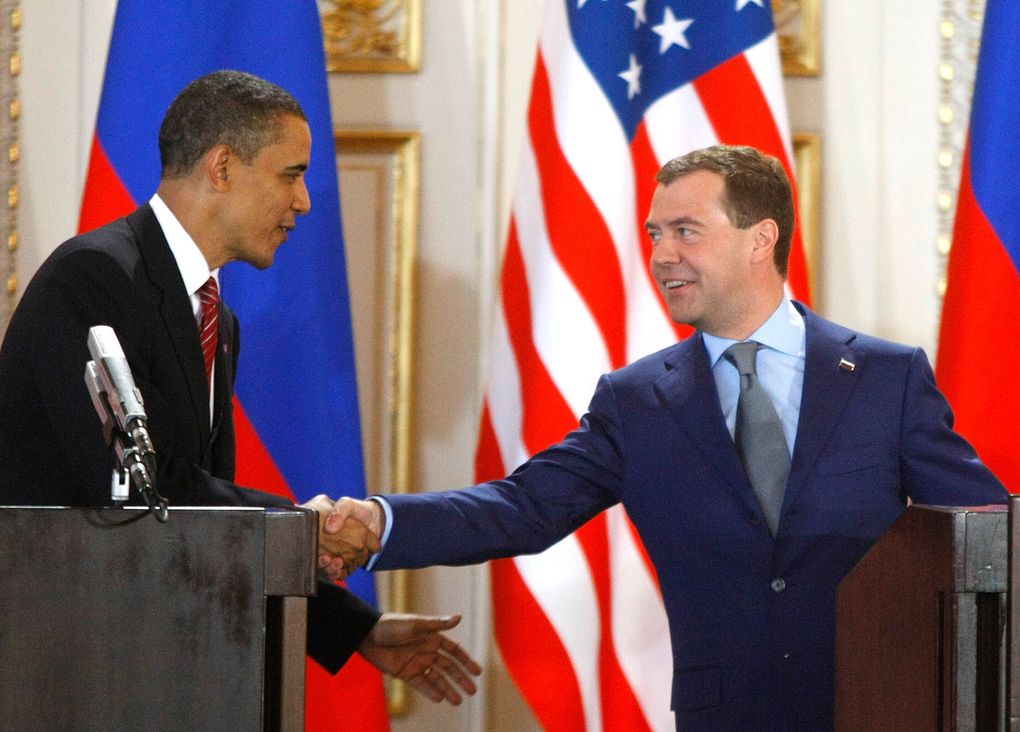
The expiration of the New START Treaty, the last remaining nuclear arms pact between Russia and the United States, is imminent, removing restrictions on the two countries' nuclear arsenals. This development raises concerns about the possibility of an unconstrained nuclear arms race. While Russian President Vladimir Putin expressed willingness to adhere to the treaty's limits for another year if the U.S. does the same, President Donald Trump has not committed to extending it. Trump has shown interest in maintaining nuclear weapon limits and involving China in arms control discussions.
The potential termination of the New START Treaty has sparked fears among arms control advocates about the risks of a new arms race between the U.S., Russia, and China. Without an agreement on maintaining the treaty's limits, there could be an escalation in the deployment of nuclear weapons, leading to increased global instability and the threat of nuclear conflict. The expiration of the treaty could pave the way for a dangerous three-way arms race involving the U.S., Russia, and China.
Russian President Putin has emphasized Russia's nuclear capabilities since the conflict in Ukraine in 2022, signaling the country's readiness to use all means to protect its security interests. The New START Treaty, signed in 2010, aimed to limit each side to 1,550 nuclear warheads on 700 missiles and bombers. The treaty allowed for on-site inspections to verify compliance, but these inspections ceased in 2020 due to the COVID-19 pandemic and were not resumed.
The termination of the New START Treaty could lead to increased uncertainty and potential arms build-up by both the U.S. and Russia. The absence of treaty predictability may incentivize each side to bolster their nuclear arsenals as a show of strength or to gain negotiating leverage. The expiration of the treaty could have significant implications for global nuclear competition and strategic relations among the U.S., Russia, and China.
In conclusion, the expiration of the New START Treaty poses significant challenges in maintaining nuclear stability and preventing a new arms race. The decision on whether to extend the treaty's limits will have far-reaching consequences for global security and the future of nuclear arms control. It is crucial for the U.S., Russia, and other nuclear-armed states to engage in constructive dialogue to address these challenges and work towards a more secure and stable international nuclear environment.