NASA's Artemis II Mission Delayed to March 2026: Technical Challenges and Solutions
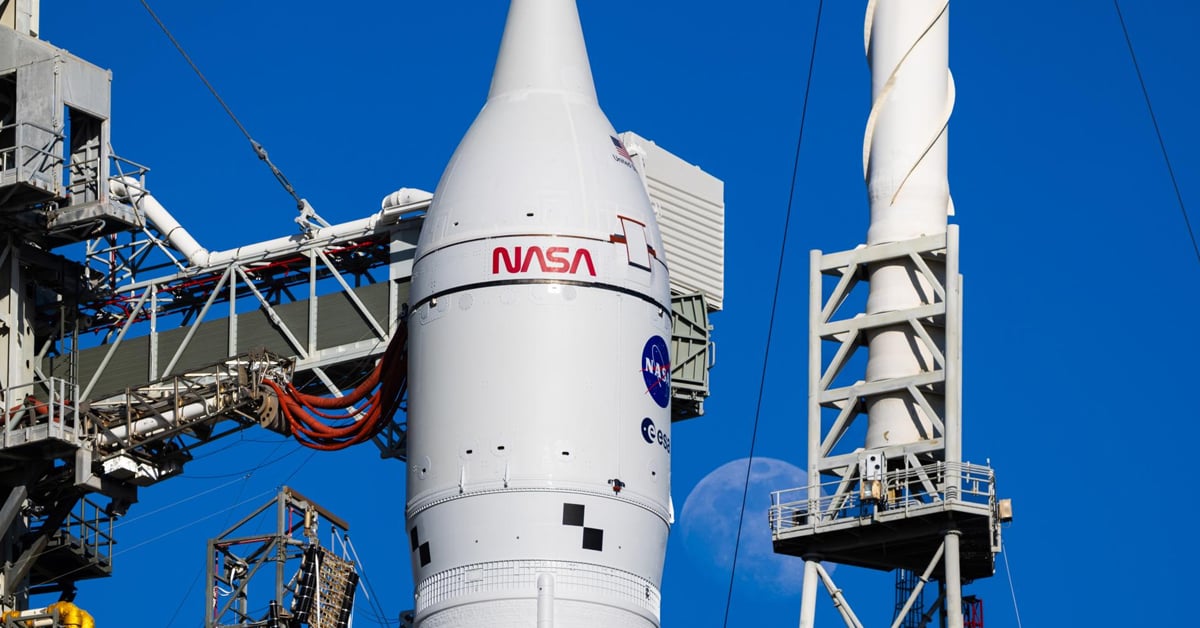
NASA's highly anticipated return to the Moon has faced a setback, pushing back the first crewed lunar flight in over 50 years. The Artemis II mission, originally planned for early February, has been rescheduled to March due to technical issues discovered during a crucial pre-launch test. Learn more about the reasons for the delay and how NASA is working to resolve them.
The Artemis II mission is now targeted for March 2026 after a wet dress rehearsal that encountered challenges, leading to the postponement of the launch. The test, a significant milestone for the Space Launch System (SLS) rocket, faced delays due to cold weather and technical difficulties, prompting NASA to conduct a thorough review before proceeding with the mission.
NASA Administrator Jared Isaacman emphasized the importance of identifying potential failures on the ground rather than during the flight, highlighting the purpose of the wet dress rehearsal. The test involved filling the SLS rocket with super-chilled propellants and simulating a countdown to liftoff, revealing issues such as hydrogen leaks that needed to be addressed before the actual launch.
During the wet dress rehearsal, NASA encountered challenges with hydrogen leaks and a vented valve, leading to the countdown being stopped with five minutes remaining. The agency is now reassessing its approach to overcome the remaining obstacles for the lunar mission, focusing on objectives that were not achieved during the recent test.
NASA engineers are evaluating whether the SLS and Orion capsule can remain on the launchpad or if they need to be returned to the Vehicle Assembly Building for further troubleshooting. The delay has also impacted the crew's schedule, with the astronauts postponing their arrival at the Kennedy Space Center and expected to re-enter isolation closer to the next launch attempt.
The upcoming wet dress rehearsal will concentrate on addressing the issues that arose during the previous test, with potential launch dates in early March being considered. Once cleared, the Artemis II mission will embark on a 10-day journey that could mark a new record for the farthest distance humans have traveled from Earth. NASA is committed to reviewing the test data, resolving any issues, and resuming testing to set an official launch date for the mission.