Unveiling the Tradition of Groundhog Day: Punxsutawney Phil's Weather Predictions and Folklore
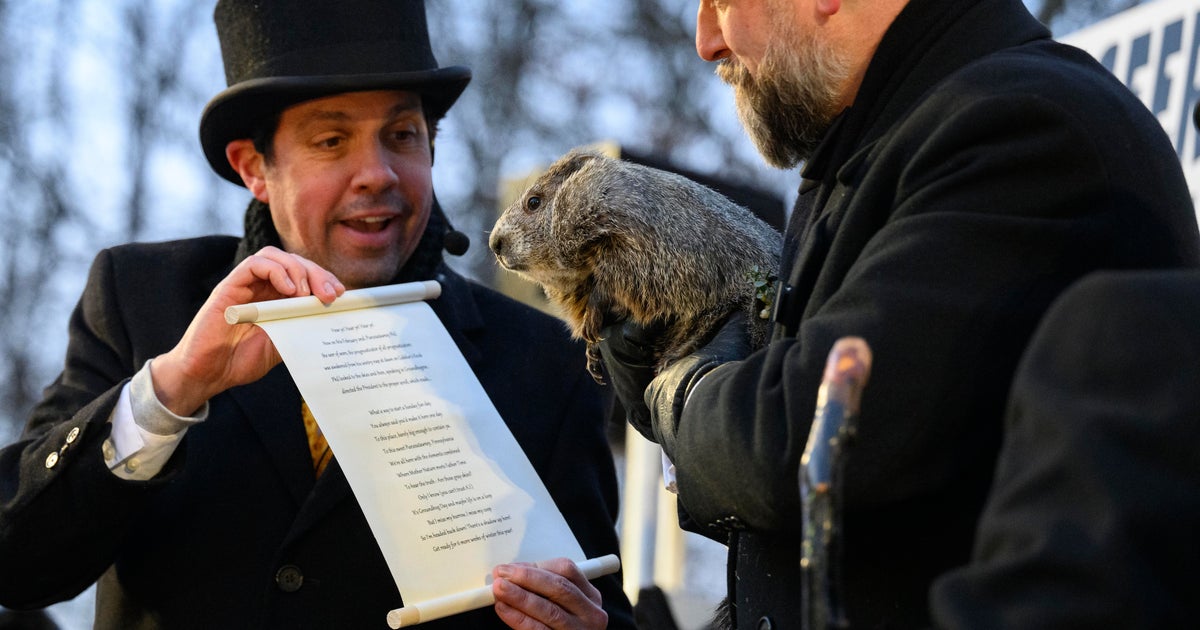
Groundhog Day is a highly anticipated event where Punxsutawney Phil emerges from his burrow to predict the weather. The tradition, dating back to 1887, takes place in Punxsutawney, Pennsylvania, attracting thousands of spectators to Gobbler's Knob. The live stream of the event begins at 6 a.m. on Feb. 2, with Phil's appearance signaling his weather forecast. If Phil sees his shadow, it signifies six more weeks of winter, while no shadow means an early spring. Phil has made 107 predictions of more winter and 21 calls for an early spring in his history.
The origins of Groundhog Day trace back to the Christian holiday of Candlemas Day, which later became associated with weather predictions through folklore. Initially, Germans used a hedgehog to predict weather on Candlemas Day, with a shadow indicating a longer winter. When Germans brought this tradition to the U.S., they switched to a groundhog due to the lack of hedgehogs. Punxsutawney Phil made his first appearance in the local paper in 1886, leading to the official celebration at Gobbler's Knob.
Managed by the Punxsutawney Groundhog Club's Inner Circle, Phil is portrayed as a 150-year-old groundhog who stays immortal by drinking the elixir of life. Despite the club's claims of Phil's infallibility, NOAA states that Phil's accuracy rate is around 30% based on predictions from 2015 to 2024. Among 19 other prognosticating animals, Phil ranks 17th in accuracy. New York's Staten Island Chuck and Georgia's General Beauregard Lee are considered more accurate, with Lander Lil, a prairie dog statue in Wyoming, coming in third.
In conclusion, Groundhog Day is a beloved tradition where Punxsutawney Phil's weather prediction captivates audiences each year. While the accuracy of his forecasts may be debated, the excitement and folklore surrounding this event continue to endure.