Venezuela's Amnesty Bill: A Step Towards Reconciliation and Justice
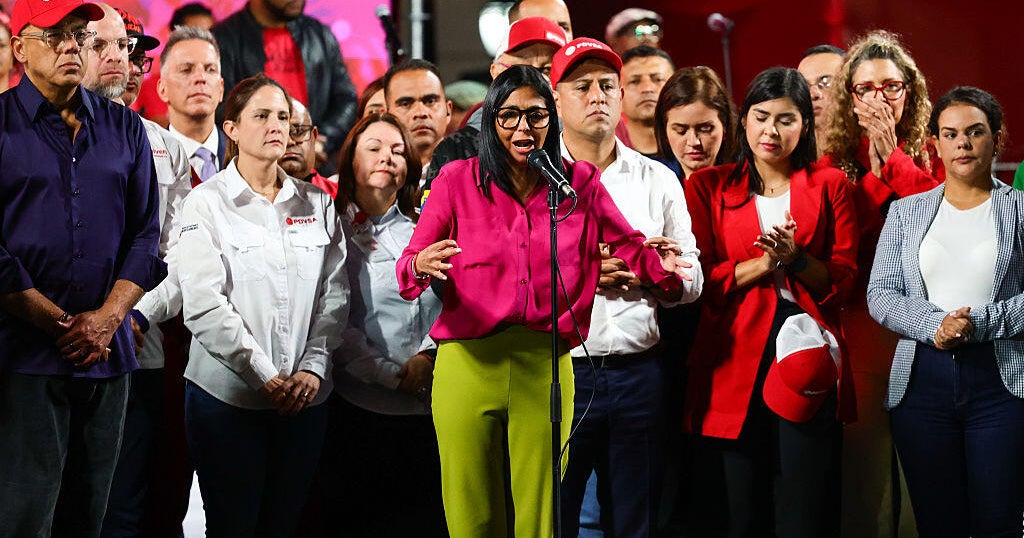
Venezuela's acting President, Delcy Rodríguez, introduced an amnesty bill that could result in the release of numerous prisoners, including opposition figures, journalists, and human rights activists who were detained for political reasons. The bill, long sought by the U.S.-backed opposition, aims to address the wounds caused by political confrontations and promote justice and coexistence among Venezuelans. The U.S. Embassy for Venezuela also confirmed the release of all American citizens detained in Venezuela, although the exact number of individuals released remains unclear.
The announcement of the amnesty bill comes after the closure of Helicoide, a notorious prison in Caracas known for human rights abuses. Rodríguez plans to transform the facility into a sports, social, and cultural center for the police and surrounding communities. The move was met with mixed reactions, with some viewing it as a positive step towards reconciliation, while others criticized it as a response to pressure from the U.S. government. The bill will cover the period of political violence from 1999 to the present, excluding individuals convicted of serious crimes such as murder, drug trafficking, corruption, or human rights violations.
The Venezuelan-based prisoners' rights group Foro Penal estimates that 711 people are currently detained in Venezuela for their political activities, with 183 already sentenced. Among those imprisoned are prominent opposition members, including former lawmaker Freddy Superlano, María Corina Machado's lawyer Perkins Rocha, and former governor Juan Pablo Guanipa. The government's decision to implement a general amnesty has been met with cautious optimism, with concerns raised about the criteria for eligibility and the pace of the releases.
While the amnesty bill represents a significant development in Venezuela's political landscape, its implementation and impact on the country's future remain to be seen. The release of prisoners and the closure of Helicoide signal a potential shift towards reconciliation and justice in the country. As Venezuela navigates its way through political challenges, the amnesty bill could play a crucial role in fostering dialogue, healing divisions, and promoting a more inclusive society.