Middle East Tensions: The Impending Crisis and Diplomatic Dilemma
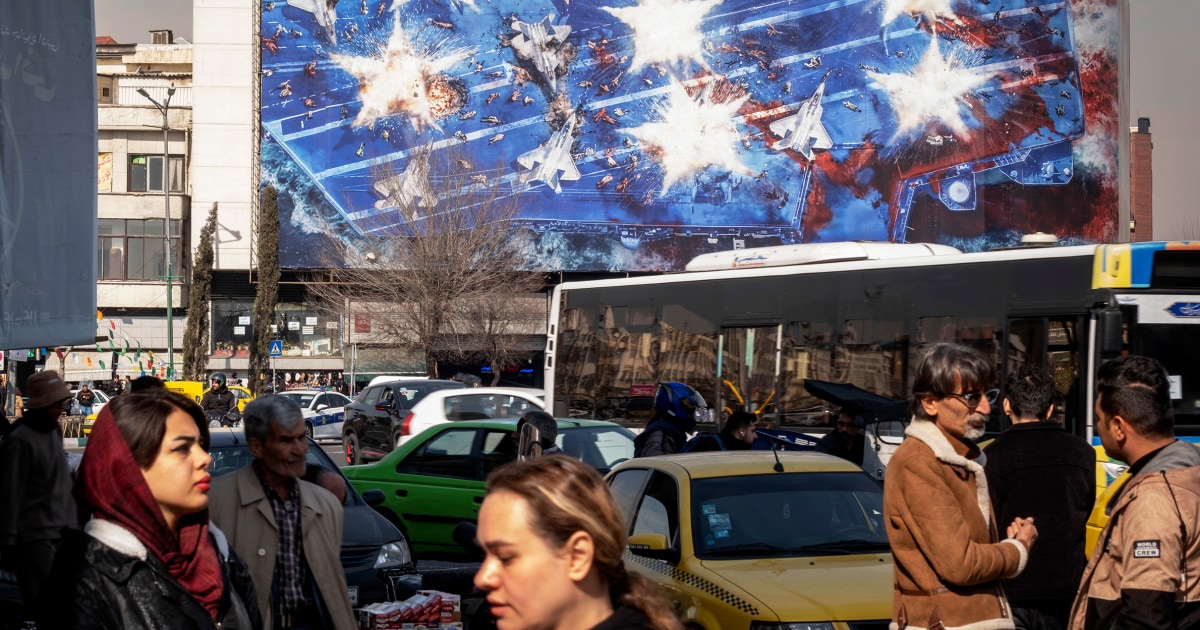
Tensions escalated in the Middle East as President Donald Trump considered a military strike against Iran, with U.S. allies like Israel and Arab nations urging caution. The Pentagon increased its presence in the region, and an aircraft carrier group was on standby for potential action. Defense Secretary Pete Hegseth emphasized the need for Iran to refrain from pursuing nuclear capabilities.
Reports suggested that the U.S. was considering conducting raids on Iranian sites, but details were not confirmed. Iranian Foreign Minister Abbas Araghchi expressed readiness for talks with the U.S., emphasizing the importance of fair negotiations. Despite the potential for conflict, Iran is facing limited options and may seek to delay any escalation while strengthening its internal resilience.
The prospect of regime change in Iran poses complex challenges, with concerns about a power vacuum and the aftermath of such a transition. Regional allies like Israel and Arab nations have cautioned against military action, emphasizing the need for restraint. Saudi Arabia and the United Arab Emirates have pledged not to allow their territories to be used for attacks on Iran.
In conclusion, the situation in the Middle East remains tense as the U.S. weighs its options regarding Iran. The possibility of military action looms large, but diplomatic efforts and regional dynamics play a crucial role in shaping the outcome. The need for careful consideration and strategic planning is paramount to avoid further escalation in the region.