Title: "Examining the Discrepancy: ICE Arrest Data Challenges Administration's Claims of Targeting Violent Offenders
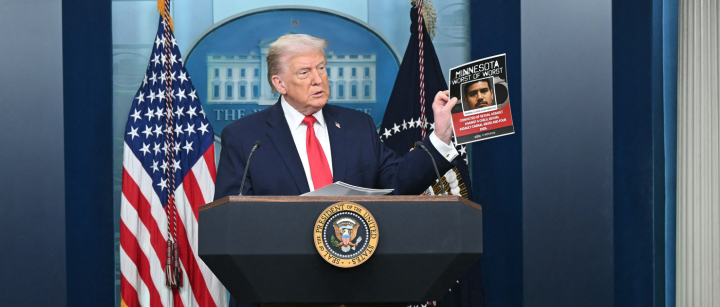
The current administration's immigration enforcement efforts have been under scrutiny for their claims of targeting the "worst of the worst" criminals. While officials assert that they are focusing on violent offenders and lawbreakers, data analysis reveals a different picture. The percentage of individuals arrested by Immigration and Customs Enforcement (ICE) without criminal convictions or pending charges has been on the rise. In the initial months of Trump's second term, over 40% of those detained had no criminal record, a significant increase from the previous years. Despite claims that most individuals without charges in the U.S. have convictions or pending charges in their home country, no concrete data has been provided to support this assertion.
The narrative of targeting violent criminals by the Trump administration has been challenged by experts who argue that the majority of those detained by ICE are not convicted of serious violent felony offenses. The administration's emphasis on arresting the "worst of the worst" criminals has been questioned, as the data suggests a different reality. While the administration claims to be focusing on violent offenders, the actual arrests seem to be more indiscriminate, with a significant portion of those detained having no criminal record in the U.S. The shift towards arresting a higher percentage of immigrants with no criminal record aligns with the administration's push to increase immigration arrests.
The data analysis reveals a trend of higher percentages of arrests of individuals with neither criminal convictions nor pending charges over time. The number of immigrants detained by ICE without convictions or pending charges has seen a significant increase, indicating a shift in enforcement priorities. Contrary to the administration's rhetoric, the arrests under Trump have been described as indiscriminate, with a focus on convenience rather than targeting violent criminals. The disparity between the administration's claims and the actual data raises questions about the effectiveness and accuracy of the immigration enforcement efforts.
In conclusion, the analysis of ICE arrest data highlights a discrepancy between the administration's claims of targeting the "worst of the worst" criminals and the actual demographics of those detained. The increasing percentage of individuals without criminal records being arrested by ICE challenges the narrative of focusing on violent offenders. The lack of transparency and concrete data to support the administration's assertions raises concerns about the effectiveness and fairness of current immigration enforcement policies.