Navigating the Ethics of AI in Academia: The Battle for Academic Integrity
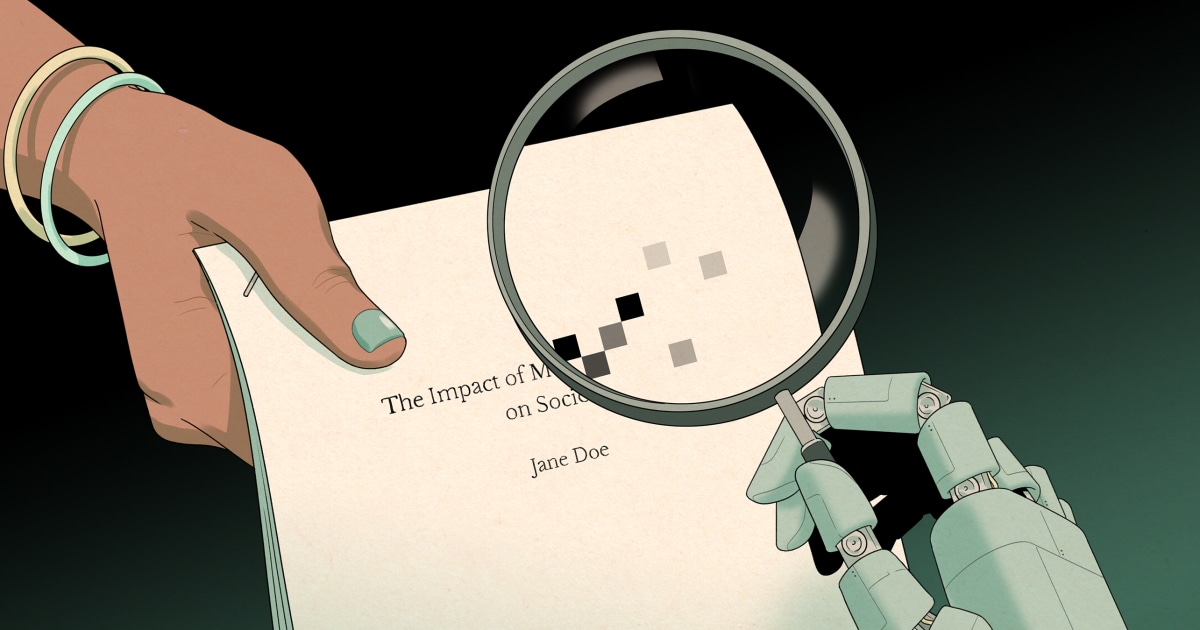
The integration of generative artificial intelligence on college campuses has led to a surge in concerns about academic integrity. Students using AI to potentially cheat on assignments have prompted professors to employ online AI detectors to identify instances of plagiarism. However, these detectors have faced criticism for their unreliability, particularly in flagging non-native English speakers and falsely accusing students of using AI-generated content.
In response to the AI cheating allegations, some students have turned to "humanizer" tools, which offer suggestions to modify text to avoid detection by AI detectors. These tools, some of which are free while others require a monthly fee, aim to help students evade accusations of AI use or plagiarism. Companies like Turnitin and GPTZero have upgraded their AI detection software to catch writing that has been altered by humanizers, introducing applications for students to track their writing history and browser activity to prove the authenticity of their work.
The competition between AI detectors and writing assistance programs has heightened anxiety about cheating on college campuses, forcing students to prove their work's authenticity. The reliance on AI detectors has led to misunderstandings and false accusations, causing stress and academic repercussions for students. The ongoing battle between students and AI detectors underscores the challenges of maintaining academic integrity in an increasingly AI-driven educational environment.
In conclusion, the proliferation of AI tools in academia has raised complex issues surrounding academic integrity and student accountability. The evolving landscape of AI detection and writing assistance programs necessitates a nuanced approach to address cheating allegations and ensure fair treatment of students. As technology continues to shape the educational landscape, it is crucial for educators and students to engage in open dialogues about the ethical use of AI tools and the importance of upholding academic integrity.