Southwest Airlines Transitions to Assigned Seating and New Boarding Process
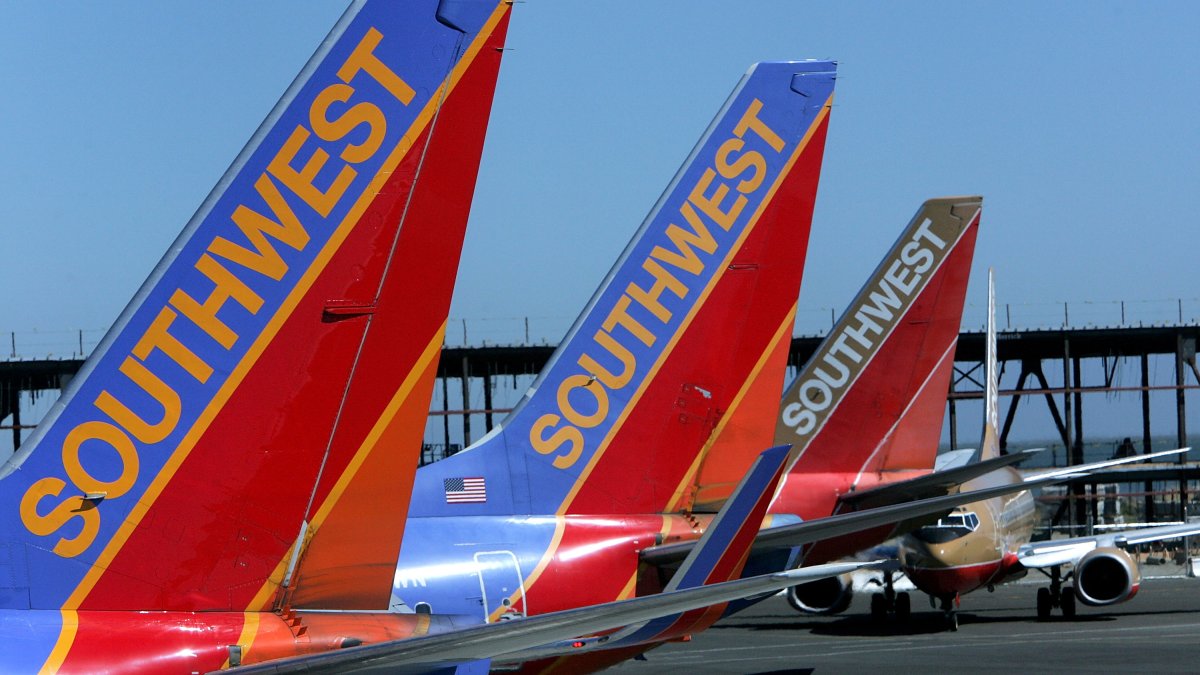
Southwest Airlines passengers experienced their final boarding-time rushes for seats as the airline prepared to transition away from its open-seating system that had been a hallmark for over 50 years. Starting the next day, customers on Southwest flights would have assigned seats and the option to pay extra for preferred seating closer to the front or seats with extra legroom. The airline had started selling tickets under the new policy in July.
Under the previous open-seat system, passengers could check in 24 hours before departure to secure spots in boarding lines at gates. Early check-ins were placed in the “A” group, ensuring better seat choices, while later check-ins faced the possibility of only middle seats being available. The system was initially implemented to expedite boarding and increase efficiency.
Southwest's new eight-group boarding structure would replace the previous system, with passengers filing through two alternating lanes based on their assigned group. The airline would convert gate areas in phases, a process expected to take about two months to complete. Newly designed boarding passes would display seat assignments and boarding groups, with families being assigned to the same group.
The boarding groups would be determined by seat location, fare class, loyalty tier status, and credit card rewards benefits. Passengers purchasing extra legroom seats would be placed in groups 1-2, while premium fare customers and loyal travelers would have access to preferential seats and earlier boarding. Basic fare passengers would likely be placed in groups 6-8.
With the transition to assigned seating, Southwest also revised its policy for customers needing extra room. Travelers who did not fit within a single seat’s armrests would be required to purchase an additional seat in advance. This was a departure from the previous policy that allowed passengers to request a free extra seat at the gate.
In addition to the seating changes, Southwest had also ended its “bags fly free” policy in May 2025, replacing it with baggage fees for most travelers. These changes represented a significant shift for the airline, aligning it more closely with industry practices and aiming to enhance profitability. CEO Robert Jordan emphasized the opportunity to meet customer needs, attract new segments, and achieve expected levels of profitability. The decision to move to assigned seating was driven by customer preferences and the desire to address reasons cited for choosing other airlines over Southwest.