Storm Fern's Economic Impact: Assessing the $100 Billion Fallout and Future Preparedness Strategies
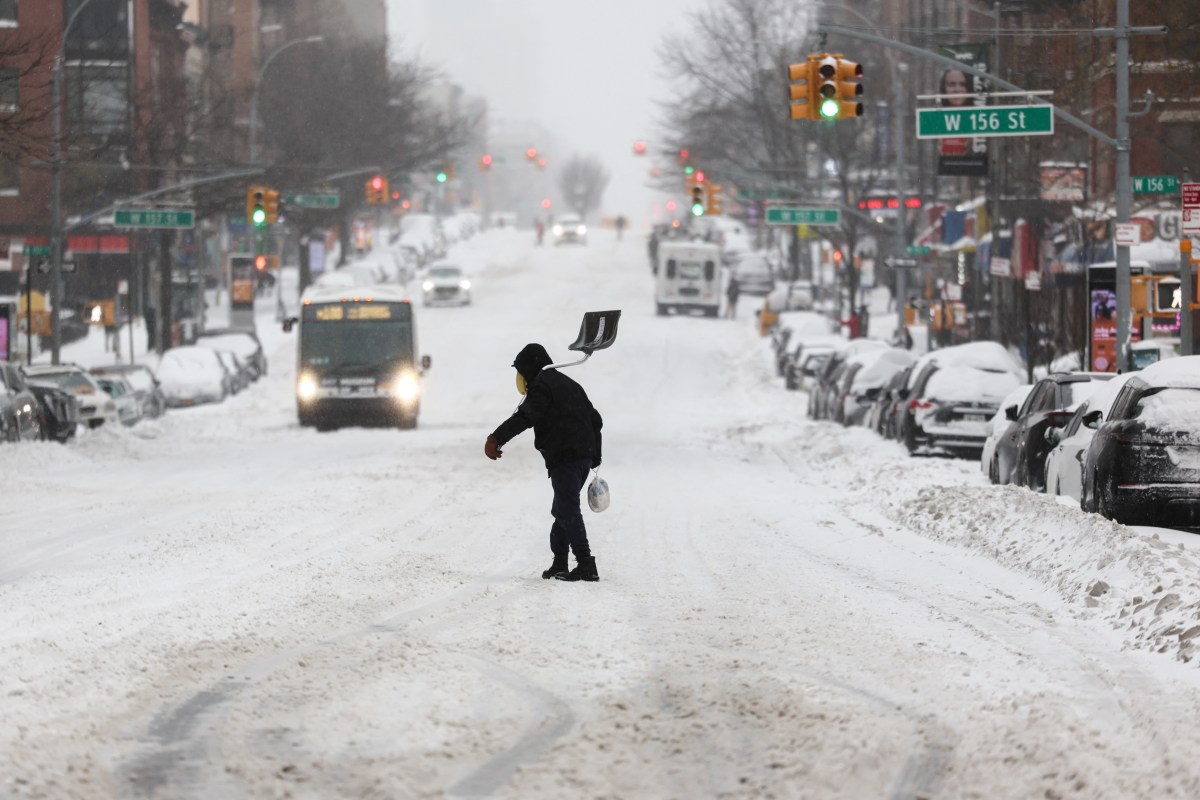
A recent winter storm, named Storm Fern, has caused widespread damage across multiple U.S. states, with experts predicting economic losses exceeding $100 billion. AccuWeather's chief meteorologist Jonathan Porter warned that the storm will impact 200 million people in the United States, leading to canceled flights, school closures, business shutdowns, and supply chain disruptions. The storm has already resulted in power outages, flight cancellations, and severe weather conditions, with the Northeast expected to face heavy snowfall followed by bitter cold temperatures.
AccuWeather's preliminary estimates suggest that the financial fallout from the storm could range between $105 billion and $115 billion, encompassing damages to homes and businesses, disruptions to commerce and supply chains, tourism losses, and infrastructure damage. The storm has caused over 10,000 flight cancellations, power outages affecting hundreds of thousands of people, and disruptions to cargo shipments and cruise operations. Neil Alldredge, president of NAMIC, highlighted the heightened financial risk in the Southern Plains and Southeast due to limited winterization, which could lead to burst pipes, roof collapses, and power outages.
Insurers are bracing for a surge in claims related to property damage, business interruption, and secondary losses like auto accidents. The insurance costs resulting from the storm could surpass those of previous weather events, especially if ice accumulation triggers infrastructure failures. AccuWeather's Jonathan Porter emphasized the significant and costly supply chain disruptions and prolonged power outages that could persist in the storm's aftermath. NAMIC's Neil Allredge stressed the importance of mitigation strategies to reduce loss potential in the face of more frequent and severe weather events.
Climatologist Michael E. Mann warned of the increasing frequency of billion-dollar weather disasters due to human-caused warming, underscoring the need for improved building resilience and consumer education. Cities in the Northeast are bracing for up to two feet of snow and life-threatening cold conditions following the storm's passage. The aftermath of Storm Fern is expected to have far-reaching economic implications, with the full extent of the financial fallout yet to be determined.