Baltimore's Homicide Reduction Success: Targeting Repeat Offenders and Tough Law Enforcement Strategies
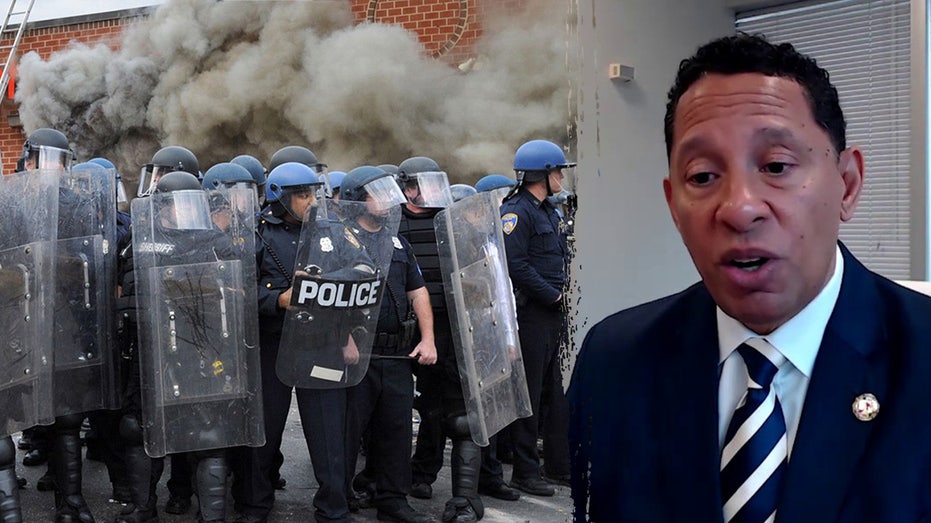
Baltimore saw a significant decrease in homicides in 2025, continuing a downward trend attributed to tough law enforcement targeting repeat violent offenders. The city recorded 134 homicides in 2025, a drop from 202 in 2024, 263 in 2023, and 334 in 2022. Baltimore City State’s Attorney Ivan Bates emphasized the importance of putting repeat violent offenders behind bars to address violent crime effectively.
Bates, who assumed office in January 2023, highlighted the shift in the office's approach to enforcing mandatory minimum sentences for repeat offenders. The percentage of repeat offenders sentenced has increased under his administration, with 58% in 2023, 69% in 2024, and 65% in 2025. The focus on enforcing Maryland law, which mandates a five-year prison sentence for repeat offenders possessing illegal firearms, has been central to the strategy.
In addition to sentencing changes, Bates credited increased collaboration with federal agencies like the FBI, DEA, ATF, and Baltimore County for disrupting criminal activities. The city's Group Violence Reduction Strategy and partnerships with federal authorities have been instrumental in dismantling large drug organizations and reducing crime.
Bates also highlighted the rebuilding of the State’s Attorney’s Office, which expanded its staff from 140 to 200 prosecutors during his tenure. While national crime rates have declined, Bates cautioned that sustained progress requires investment in re-entry programs to prevent recidivism among repeat offenders returning from prison.
Despite the overall decline in homicides, certain areas in Baltimore, such as entertainment districts like Federal Hill, continue to experience shootings. Police expert Jason Johnson noted that while homicides and non-fatal shootings have decreased, addressing remaining crimes is crucial to maintaining public safety and city appeal.
Baltimore is not alone in experiencing a drop in homicides, as murder rates have decreased across U.S. cities in 2025. A report from the Council on Criminal Justice highlighted reductions in various crime categories, with homicides seeing a 21% decline. The report also emphasized the impact of federal law enforcement efforts in arresting violent criminals and illegal aliens on national crime rates.
In conclusion, Baltimore's success in reducing homicides reflects a concerted effort to target repeat violent offenders, enhance sentencing practices, collaborate with federal agencies, and invest in law enforcement resources. Sustaining these gains will require ongoing support for re-entry programs and continued cooperation between local and federal authorities to ensure public safety and reduce crime rates.