President Trump's Ambitious 'Board of Peace' Initiative: Challenges and Opportunities Ahead
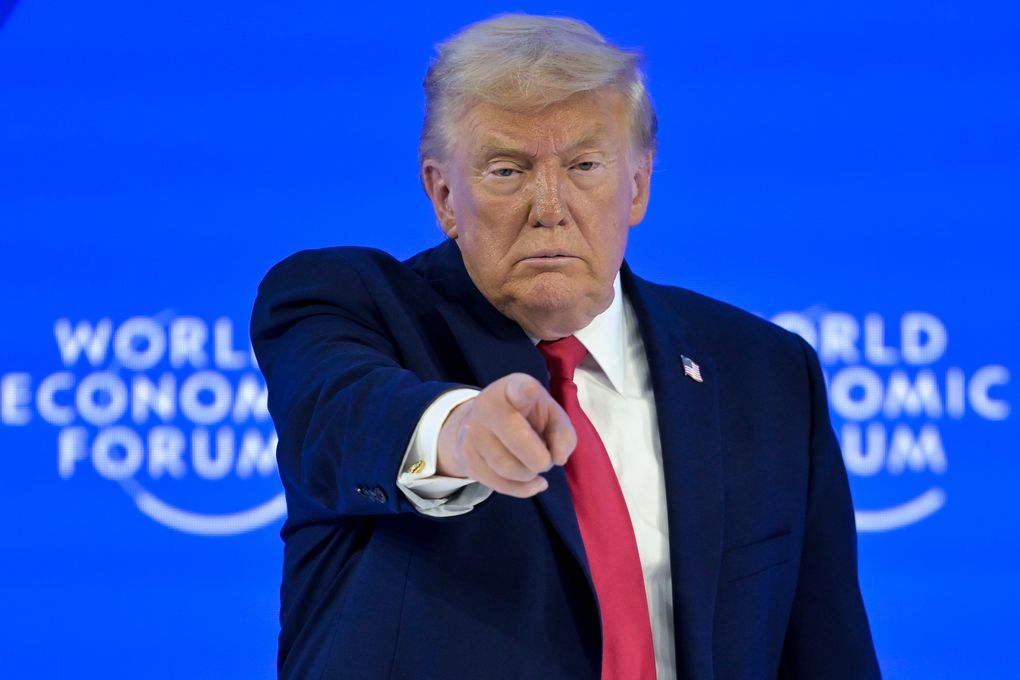
President Donald Trump is set to introduce his proposed "Board of Peace" at the World Economic Forum in Davos, Switzerland. Originally intended to oversee the Gaza ceasefire, the board has evolved into a more ambitious project, with some countries expressing interest in joining. Trump believes the board will be prestigious and influential, with Egypt already on board.
Despite some countries showing interest, skepticism remains about the board's membership and mandate. While 35 countries have agreed to sign on, others, including Norway, Sweden, and France, have declined their invitations. Concerns have been raised about the board potentially replacing the United Nations as the main conflict resolution venue.
Russian President Vladimir Putin is still consulting with strategic partners before committing to the board. Trump has invited powerful leaders, including controversial figures, to join, emphasizing their ability to get things done. The UK, EU, Canada, Russia, Ukraine, and China have not yet responded to the invitations.
The Board of Peace was part of Trump's Gaza ceasefire plan and received endorsement from the UN Security Council. Israeli Prime Minister Benjamin Netanyahu has agreed to join the board, despite initial criticisms. The ceasefire in Gaza remains fragile, with the disarmament of Hamas being a key factor in its sustainability.
Trump's push for peace comes amid tensions with Iran and ongoing efforts to end the conflict between Ukraine and Russia. He believes his tough stance on Iran was crucial in achieving the Israel-Hamas ceasefire. Trump expects to speak with Ukrainian President Zelenskyy to urge both parties to reach a deal and end the war.
As Trump prepares to unveil the Board of Peace, he faces challenges in garnering support from key allies and navigating complex geopolitical dynamics. The success of the board will depend on the willingness of countries to join and collaborate towards achieving peace and stability in conflict-affected regions.