Ethical Implications of AI Manipulation: The Controversy Surrounding the Altered Image Shared by the White House
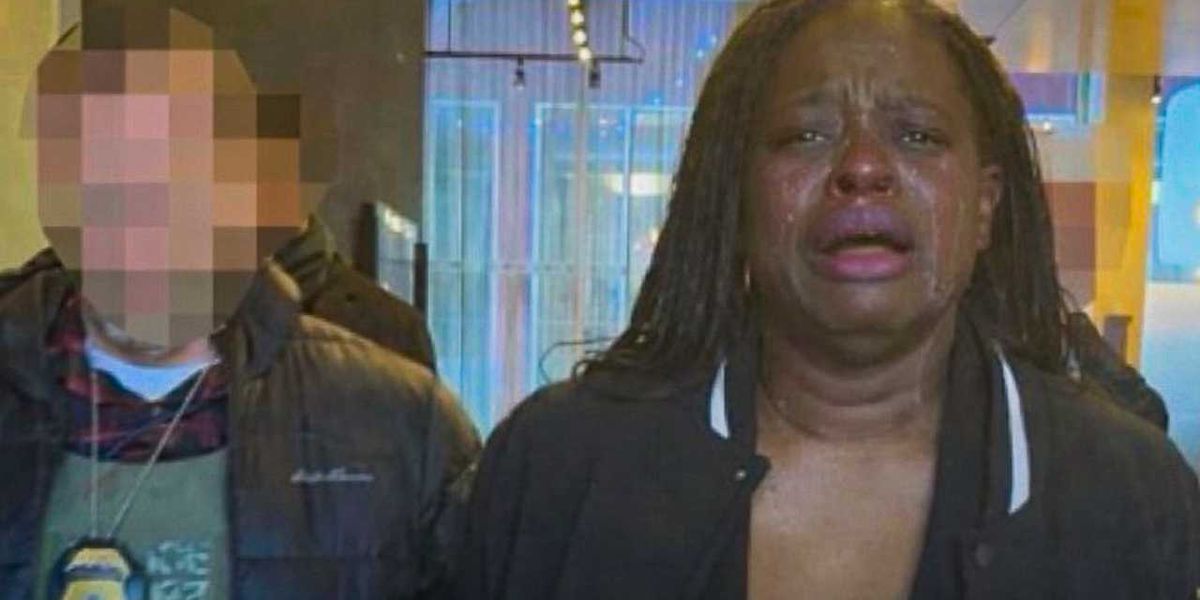
The White House recently posted a photo on social media showing an alleged anti-ICE protester, which was manipulated using artificial intelligence. Attorney General Pam Bondi announced the arrest of Nekima Levy Armstrong, who was accused of organizing an attack on Cities Church in St. Paul, Minnesota. Department of Homeland Security Secretary Kristi Noem also shared a photo of Armstrong's arrest.
The image shared by the White House was altered to make Armstrong look like she was crying. This manipulation of the photo sparked controversy and raised questions about the use of artificial intelligence in altering images. The incident has drawn attention to the role of social media in shaping public perception and the ethical implications of using technology to manipulate visual content.
The use of artificial intelligence to alter images for political purposes has raised concerns about the spread of misinformation and the potential impact on public discourse. The incident involving the White House's social media team highlights the need for transparency and accountability in the use of technology to manipulate visual content. It also underscores the importance of verifying information before sharing it on social media platforms.
In conclusion, the controversy surrounding the altered image shared by the White House underscores the challenges of navigating the digital landscape and the ethical considerations of using technology to manipulate visual content. As technology continues to evolve, it is essential to uphold ethical standards and promote transparency in the dissemination of information on social media platforms.