ICE Expansion: Controversies and Consequences of Increased Enforcement
The Immigration and Customs Enforcement (ICE) budget has seen a significant increase, with hiring bonuses of $50,000 and a growing number of ICE officers nationwide. President Donald Trump's administration has ramped up immigration enforcement actions, fueled by funding from a tax and spending cuts bill passed by Republicans in Congress. This surge in ICE operations has transformed the agency into a formidable national law enforcement presence with unprecedented spending from taxpayers.
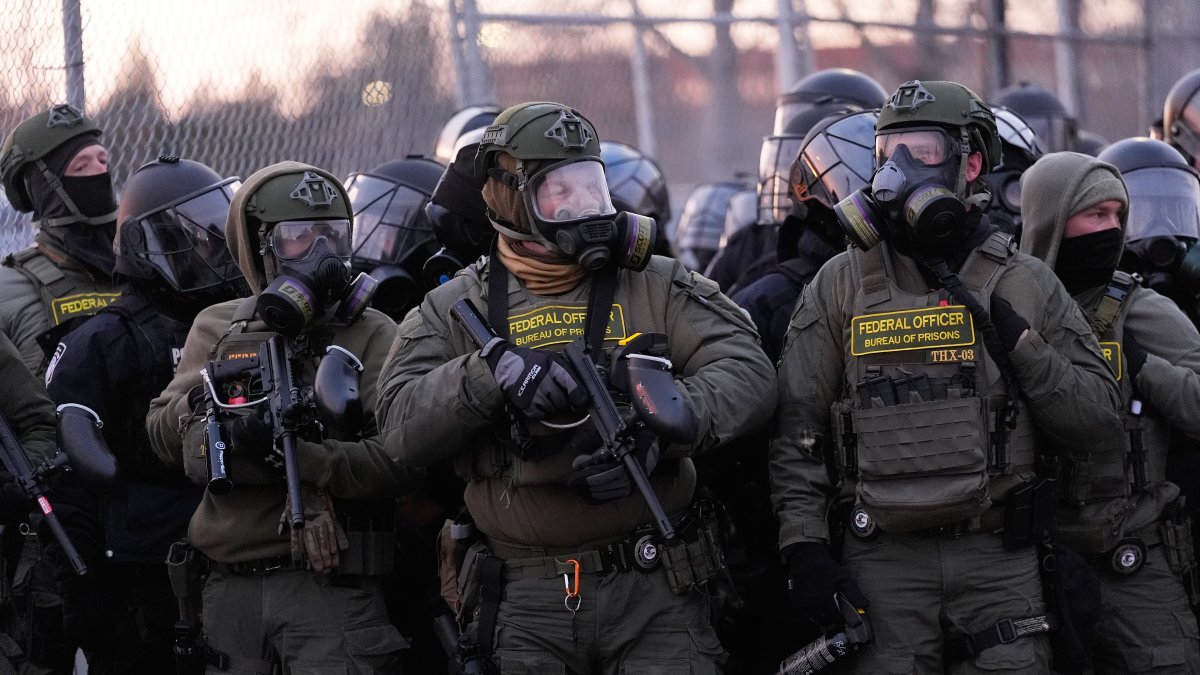
The expansion of ICE's enforcement activities has sparked controversy, particularly in cities like Minneapolis, where military-style ICE officers have been conducting aggressive operations. The shooting death of Renee Good in Minneapolis led to widespread protests against ICE's tactics, prompting Trump to consider invoking the Insurrection Act to quell demonstrations. Despite Trump's focus on immigration enforcement, his public approval rating on the issue has declined since taking office.
While illegal border crossings have decreased under Trump, the administration's emphasis on interior enforcement has led to a surge in immigration officers patrolling city streets with aggressive tactics. These officers, along with various federal, state, and local law enforcement agencies, are collaborating on immigration enforcement operations nationwide. The administration's goal of detaining 100,000 individuals per day and deporting 1 million people annually has raised concerns about civil liberties and due process.
The significant increase in ICE funding through the Republican-backed bill has enabled the agency to double its workforce and expand its operations. Despite calls from Democratic lawmakers to curtail ICE's activities, the legislation is set to continue through 2029, with substantial funding allocated for ICE operations and detention facilities. Congress faces decisions on future Homeland Security funding, with some lawmakers advocating for restrictions on ICE operations and increased oversight.
As ICE continues to expand its presence and enforcement actions, concerns about civil rights violations and the militarization of immigration enforcement persist. The agency's aggressive tactics and broad authority have raised questions about accountability and transparency in its operations. With ongoing debates over immigration policy and enforcement practices, the role of ICE in enforcing immigration laws remains a contentious issue in the United States.