Controversy at Cities Church: Anti-ICE Protesters Disrupt Service, Sparking Debate
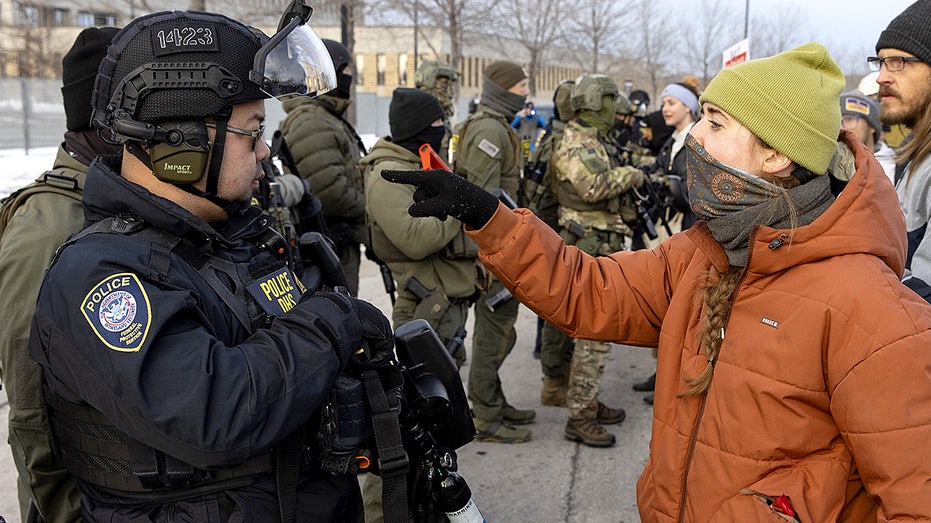
A recent incident at a church in Minnesota where anti-ICE protesters disrupted a service has sparked controversy. The New York Times published a report focusing on the tensions surrounding ICE tactics in the state following the protest.
Critics on social media expressed frustration with the Times' headline, which they felt downplayed the impact on the worshipers. The focus seemed to be on the public backlash against ICE rather than the disruption of the church service.
The protest at the Cities Church in Minneapolis involved protesters shouting down the congregation for not participating in anti-ICE demonstrations. The incident was livestreamed online, showing protesters disrupting the service with chants of "ICE out" and "Justice for Renee Good."
The protest was organized by civil rights lawyer Nekima Levy Armstrong, who aimed to draw attention to church leader David Easterwood's alleged involvement in ICE tactics. Armstrong's actions were intended to raise awareness among the congregation about Easterwood's role in the immigration crackdown.
The Times reported that the Trump administration has taken steps to investigate and limit protests against immigration enforcement in Minnesota. The incident at Cities Church is under investigation by the Justice Department following the disruption caused by the protesters.
The controversy surrounding the protest at the church highlights the ongoing tensions over ICE tactics and immigration enforcement in the state. The incident has sparked a debate about the balance between public protests and religious services.
In conclusion, the disruption of the church service by anti-ICE protesters in Minnesota has raised questions about the boundaries of activism and the impact on worshipers. The incident has drawn attention to the broader issues surrounding ICE tactics and public demonstrations, prompting discussions about the appropriate ways to address these concerns.