US Threatens Tariffs on UK Over Greenland Dispute: Economic Impact and Implications
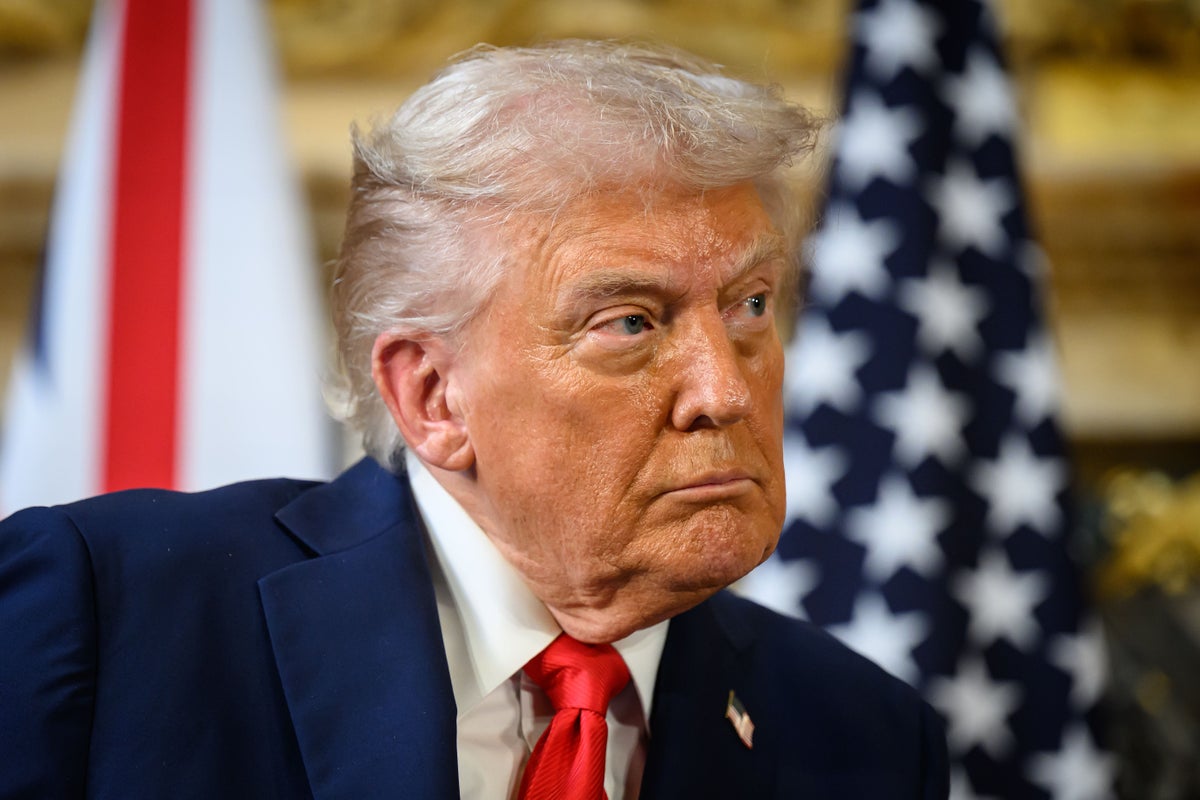
President Donald Trump has threatened to increase tariffs on the UK and other countries that have opposed US plans to acquire Greenland. Trump cited the strategic Arctic location and mineral wealth of Greenland as reasons for wanting to take control of the island. The UK could face additional tariffs starting next month if it continues to oppose the move. Sir Kier Starmer has called for calm discussions between allies to resolve the issue.
Tariffs are taxes imposed on products imported into a country, typically calculated as a percentage of the purchase price paid by the buyer to a foreign seller. This means that US companies purchasing goods from UK suppliers would have to pay an additional amount to the US government on top of the original price.
The companies importing the goods are responsible for paying the tariffs, which in this case would result in US firms paying more for international goods from affected countries. Trump's tariff policies aim to incentivize US companies to buy domestically produced goods to avoid the additional tax.
Tariffs are collected by the national customs authority of the importing country, such as HM Revenue and Customs in the UK and Customs and Border Protection in the US. The tariff costs of a product are determined by its 10-digit Harmonized Tariff Schedule (HTS) code, which categorizes goods for customs purposes. Firms must accurately declare these codes and the country of origin of the goods to avoid penalties.
The UK and US have various tariff agreements in place, with the US imposing a 10% tariff on top of existing tariffs and duties. Trump has threatened to impose a 10% tariff on all goods from the UK starting February 1, increasing to 25% from June 1 until a deal is reached for the US to purchase Greenland from Denmark.
Countries like the UK with significant exposure to the US could experience a negative impact on economic growth due to the tariff plans. Economists predict a modest effect on GDP, with estimates ranging from a 0.1% to 0.3% reduction in output for economies heavily reliant on exports to the US.
The machinery sector, including cars, engines, and turbines, is a major UK export to the US and could be significantly affected by the tariffs. Consumer sectors like Scotland's whisky industry, which exported nearly £1 billion worth of whisky to the US in 2024, could also face challenges.
The introduction of tariffs typically leads to inflation in both countries involved. Economists warn that the threat of a trade war could disrupt the UK's inflation rate, which dropped to 3.2% in November last year.