Syrian Army Advances in Northern Regions: Tensions Rise with Kurdish Forces
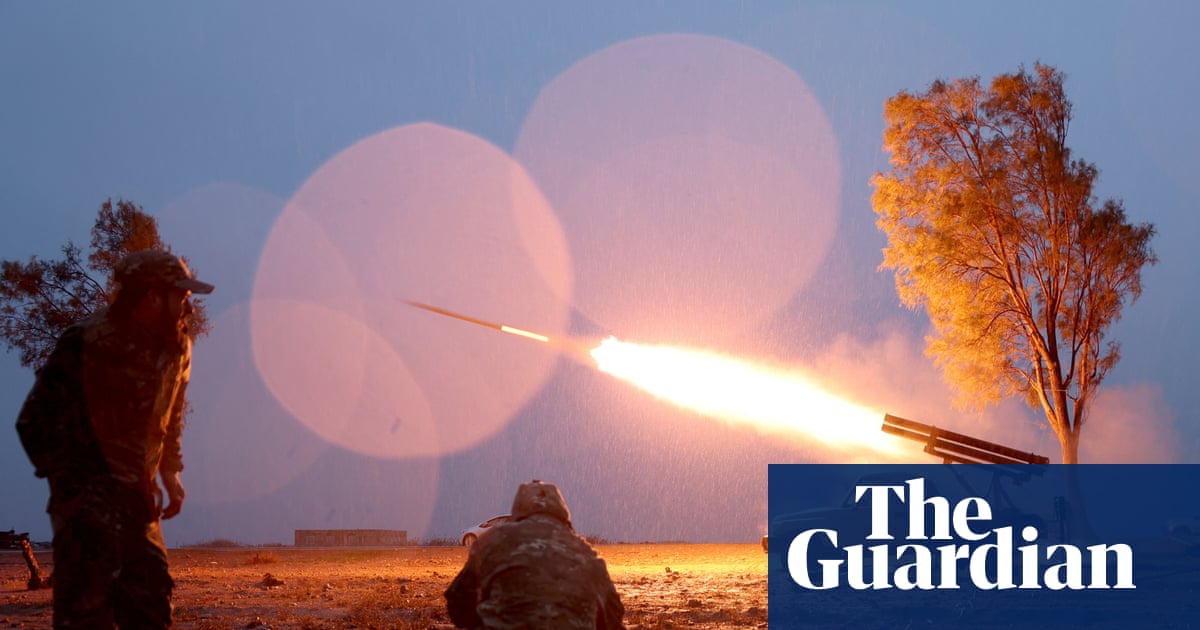
Syria's army has recently made significant advances in the northern regions of the country, displacing Kurdish forces that had maintained autonomy in the area for over a decade. The army seized control of the city of Tabqa, the Tabqa dam, and the Freedom dam, despite US calls to halt their progress. This move by the government seems to be part of a broader effort to extend its authority over Kurdish-administered territories, following a decree by Syrian President Ahmed al-Sharaa recognizing Kurdish as a national language and granting official status to the minority group.
The army's advancement came after a deal in March 2025, aimed at integrating Kurdish forces into the state, stalled. Recent clashes between government troops and Kurdish forces in Aleppo and the eastern region of the city have escalated tensions. The Syrian army has been pushing Kurdish-led Syrian Democratic Forces (SDF) to redeploy their forces on the opposite bank of the Euphrates River, leading to clashes over strategic positions and oilfields along the river.
The SDF withdrew from the area as a gesture of goodwill but accused Syrian troops of violating the agreement by advancing further east into towns and oilfields not covered by the deal. This breach of the agreement prompted clashes between the two sides, with the SDF accusing Damascus of betrayal. The US, France, and Iraqi Kurdistan leader Nechirvan Barzani have called for de-escalation and a ceasefire to prevent further violence in the region.
The initial withdrawal deal included the town of Deir Hafer and surrounding villages with predominantly Arab residents. The SDF withdrew from these areas, allowing Syrian troops to move in smoothly. The Syrian Petroleum Company reported that nearby oilfields had been captured by government forces and could be operational again. However, tensions remain high as the SDF vows to defend Tabqa and nearby oilfields, which were not part of the original agreement.
The recent clashes have highlighted the complex dynamics in Syria, with the US having to navigate its support for the SDF, which fought against ISIS, and its new alignment with the Syrian government. Efforts to end the fighting have been made, with US envoy Tom Barrack meeting with SDF and Iraqi Kurdish leaders to find a resolution. The ongoing violence underscores the challenges of reunifying the country after years of conflict and the deep-seated tensions between the government and Kurdish authorities.
In conclusion, the recent military advances by Syria's army in northern regions have heightened tensions with Kurdish forces, leading to clashes and concerns about further escalation. The US and other international actors are calling for de-escalation and a ceasefire to prevent further violence and find a diplomatic solution to the conflict. The situation remains fluid, with the outcome uncertain as both sides remain entrenched in their positions.