Shifting Public Opinion on ICE, Immigration, and Military Action: A Complex Landscape of Partisan Divides
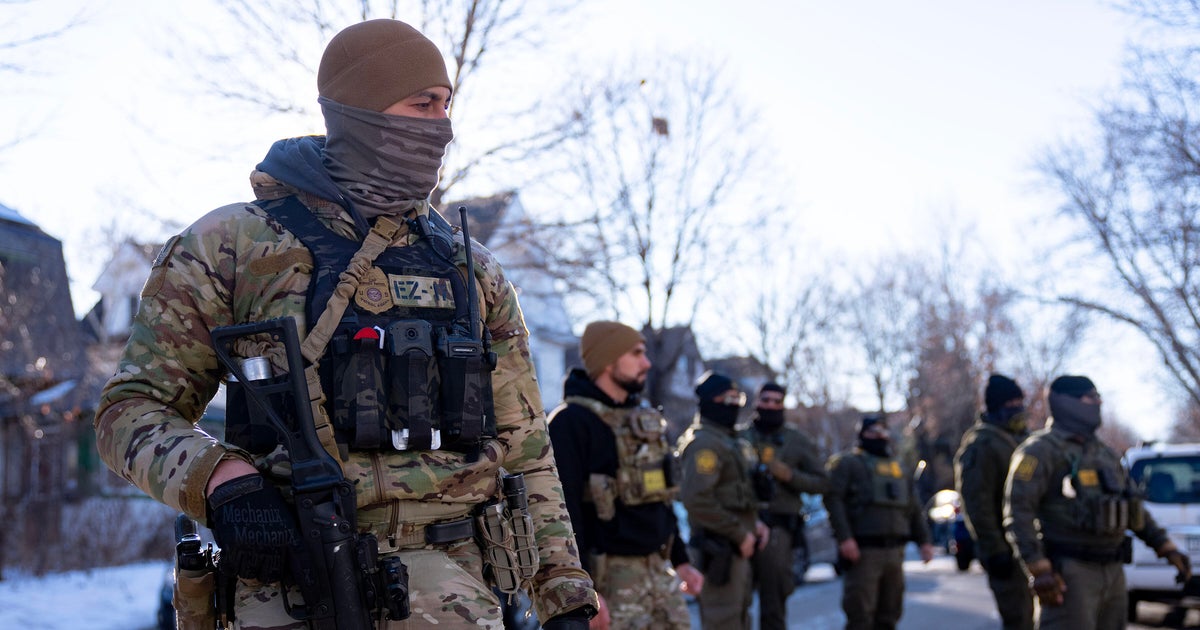
Public opinion on ICE's operations in the U.S. is shifting, with more Americans believing that the agency's approach is too harsh and that President Trump's deportation program is targeting more than just dangerous criminals. While Republicans largely feel that protesters have gone too far, there is a growing concern among the public that ICE is not prioritizing dangerous criminals as intended. Many Americans also believe that the administration is trying to deport more people than initially expected, leading to a perception that ICE's operations are making communities less safe.
Approval of the deportation program has fluctuated over time, with a recent drop in support following events in Minneapolis. Despite some support for the program's goals, there is a negative view of the approach being taken. President Trump's approval on handling immigration has also decreased to its lowest point of his second term, although it remains higher than his approval on other issues. Views on the shooting of Renee Good by an ICE agent in Minneapolis are divided along party lines, with Republicans more likely to view it as justified.
Democrats are calling for a decrease in ICE operations following recent events, while Republicans are split between increasing or maintaining the current level of operations. There is widespread opposition to the prospect of military action in Greenland or Iran, with most Americans expressing pessimism about the potential impact of Trump's policies on peace and stability. While there is recognition of strategic interests in Iran, opinions are divided on moral responsibilities and the effectiveness of military action. Opposition to using force in Greenland and Iran is strong, with concerns about the implications of such actions on global stability.
Overall, public opinion on ICE, immigration policies, and military action reflects a complex landscape of shifting perceptions and partisan divides. The recent events in Minneapolis have underscored existing views on these issues, highlighting the challenges and controversies surrounding immigration enforcement and foreign policy decisions.