Oil and Bananas: Economic Interests in U.S. Foreign Policy in Latin America
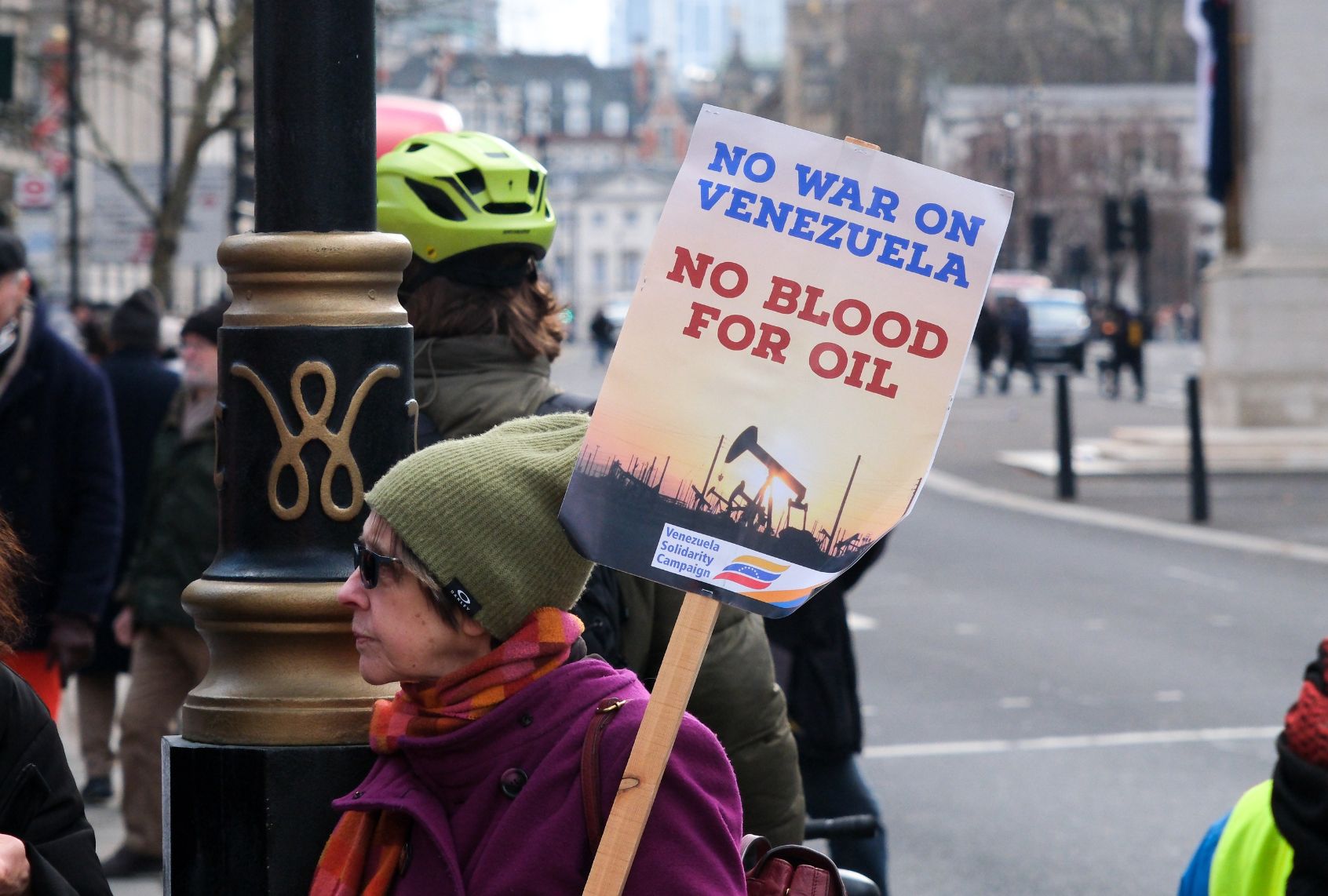
Following the U.S. military operation that captured Venezuelan President Nicolás Maduro in 2026, the Trump administration has highlighted its interest in gaining access to Venezuela's oil reserves. President Trump emphasized the role of oil companies in funding potential interventions in Venezuela during a news conference. This focus on oil as a driving force behind U.S. policy towards Venezuela is a departure from historical covert interventions in Latin America. The United Fruit Company's influence in Guatemala in the 1950s serves as a historical example of economic interests shaping U.S. foreign policy in the region.
Guatemala, a major source of bananas for the U.S., was dominated by the United Fruit Company, which controlled vast land holdings and exploited local labor. The company's influence extended to shaping politics and economies in Central America and the Caribbean. Guatemala's democratically elected leaders, such as Juan José Arévalo and Jacobo Árbenz, implemented reforms to address inequality and empower the impoverished majority. However, United Fruit viewed these reforms as communist threats to capitalism and lobbied the U.S. government against them.
United Fruit's lobbying efforts in the U.S. Congress portrayed Guatemala's reforms as part of a communist conspiracy, rather than addressing labor rights or economic inequality. This anti-communist rhetoric culminated in a CIA-backed coup in 1954 that ousted Árbenz and installed a pro-U.S. regime. The coup led to widespread violence and repression in Guatemala, with military regimes ruling the country for decades. The U.S. intervention in Guatemala illustrates how economic interests and anti-communist sentiments have historically influenced U.S. foreign policy in Latin America.
In conclusion, the historical case of United Fruit Company's involvement in Guatemala highlights the complex interplay between economic interests, political ideologies, and foreign interventions in Latin America. The Trump administration's overt focus on oil in Venezuela reflects a departure from past covert interventions but underscores the enduring influence of economic considerations in shaping U.S. policy towards the region.