Navigating the Trump Presidency: Challenges and Opportunities in Year Two
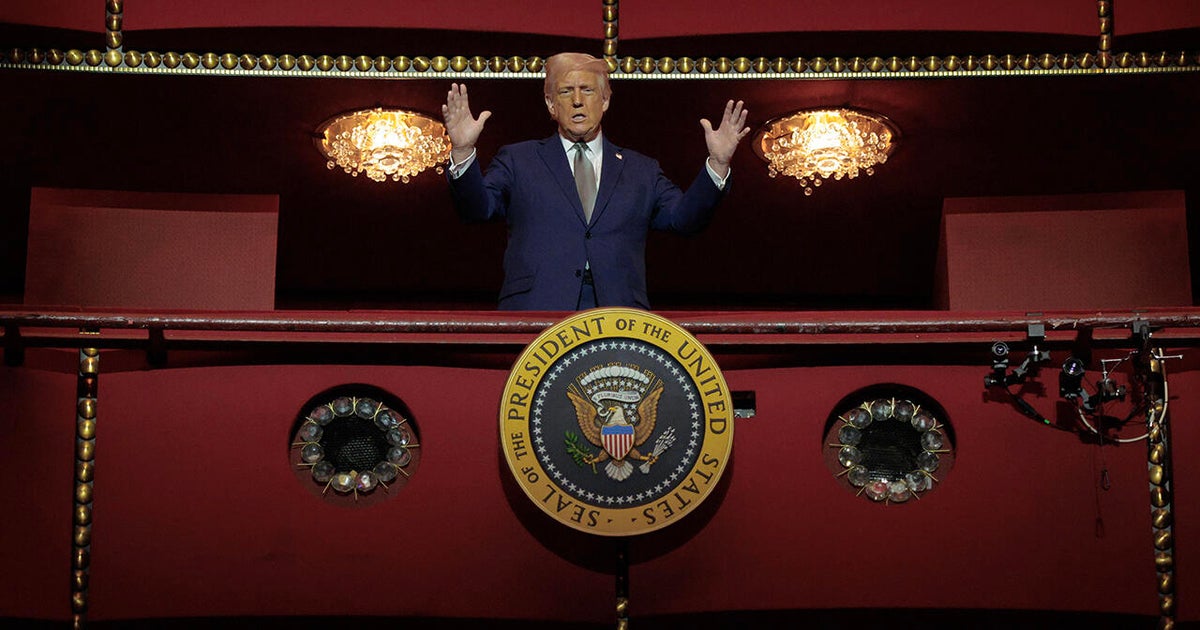
As we approach the second year of President Trump's term, the news cycle remains relentless, with recent events such as the Venezuela attack, Greenland acquisition talks, and other significant incidents. Historian Lindsay Chervinsky believes that America is at a critical juncture as we mark the 250th year of our republic, emphasizing the challenges of sustaining a nation based on an idea rather than shared ethnicity or religion.
President Trump's assertion of being the sole fixer of issues has placed him at the core of the American presidency, contrary to the collaborative approach of past administrations. While he has enjoyed strong support from the Republican-controlled Congress, concerns have been raised about the concentration of power in the executive branch and the erosion of congressional authority.
Critics like George Will have highlighted the unchecked exercise of executive power by President Trump, prompting fears among Republican lawmakers of potential primary challenges if they oppose him. The reluctance of incumbents to challenge the administration's actions reflects a political climate where dissent is met with repercussions, leading to a lack of accountability and oversight.
The deployment of federal forces in American cities and towns under the Trump administration has raised questions about the use of military-style tactics and the lack of transparency in their operations. The militarized approach to law enforcement has drawn criticism for its aggressive tactics and the secrecy surrounding the identities of the personnel involved.
Despite initial challenges in navigating the complexities of governance, President Trump has adapted to the presidency and surrounded himself with advisors who understand the intricacies of government operations. This shift has enabled the administration to pursue a more assertive foreign policy agenda, which has garnered support domestically but raised concerns among international allies.
The president's ambitious foreign policy initiatives, including discussions about acquiring Greenland and addressing global conflicts, have underscored his administration's proactive approach to international affairs. However, challenges such as the Ukraine-Russia conflict have tested his diplomatic skills and highlighted the complexities of managing international relations.
As President Trump enters the second year of his term, the evolving dynamics of his administration and its impact on domestic and foreign policy continue to shape the political landscape. The balance of power between the executive and legislative branches, the role of Congress in governance, and the administration's approach to international relations will be critical factors in shaping the future of the country.