Navigating the Greenland Conundrum: Republican Lawmakers Grapple with Trump's Ambitions
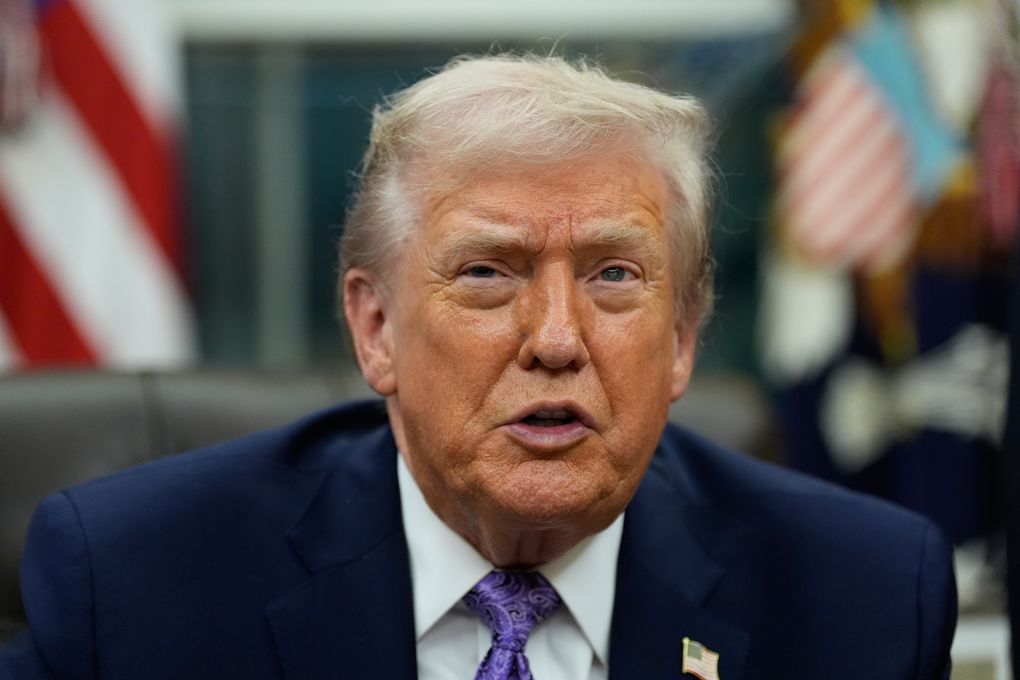
Republican lawmakers are facing a challenge in dealing with President Donald Trump's interest in acquiring Greenland. Some have strongly opposed the idea, fearing the impact on NATO and global stability. Despite efforts to engage with Danish officials and discuss mutual agreements, Trump remains determined to pursue his plans for Greenland, even imposing tariffs on European nations that oppose him.
Key Republicans have expressed reservations about forcefully taking Greenland and have emphasized the importance of maintaining alliances. Lawmakers are exploring ways to protect American interests in Greenland while preserving relationships with Denmark and NATO. They are considering legislation to prevent military action without consent from other NATO members and to nullify Trump's tariffs.
Efforts to pass resolutions requiring congressional approval for military actions have faced challenges, with Republicans arguing against the need for such measures. Some lawmakers believe these resolutions can pressure Republicans and the administration to seek congressional approval before engaging in hostilities. However, the debate over war powers resolutions and the hypothetical nature of the Greenland situation have divided opinions among Republicans.
While some Republicans support Trump's interest in Greenland, others, particularly those leaving Congress, have raised strong objections. They warn of the potential consequences of an invasion of Greenland and criticize advisors pushing for such actions. The debate over Greenland has highlighted divisions within the Republican Party and raised concerns about the administration's foreign policy decisions.
In conclusion, Republican lawmakers are grappling with President Trump's controversial plans for Greenland, balancing concerns about NATO, alliances, and congressional oversight. The debate over military actions and tariffs reflects broader tensions within the party and underscores the challenges of navigating foreign policy decisions in a complex global landscape.