Navigating Iran's Leadership Succession: Challenges and Uncertainties Ahead
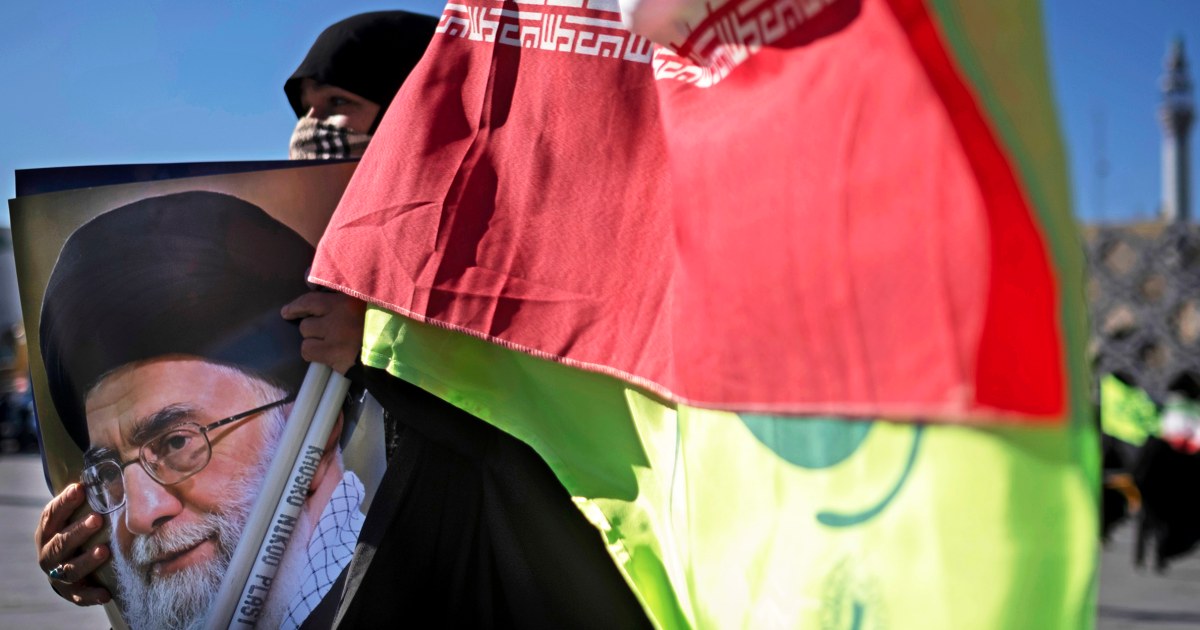
The recent protests in Iran have brought the issue of leadership succession to the forefront as Supreme Leader Ayatollah Ali Khamenei, who is 86 years old, will soon need a replacement. The unrest has exposed the divisions within Iran's opposition and ruling clerical regime. The lack of a clear heir apparent makes any transition away from the current Islamic theocracy challenging. The country's struggling economy and widespread discontent suggest a desire for change, but the absence of organized opposition complicates the situation.
Despite periodic protests and calls for reform, the regime has effectively suppressed dissent by imprisoning or exiling dissidents. Figures like human rights activist Narges Mohammadi and former Prime Minister Mir Hossein Mousavi are either in jail or under house arrest. Reza Pahlavi, the son of the former shah of Iran, has emerged as a potential transitional figure advocating for a democratic transition. While popular among some Iranians in the diaspora, his level of support within the country remains uncertain.
Pahlavi's efforts to position himself as a leader for democratic change have gained traction, particularly among those disillusioned with the current regime. However, his support base and potential role in Iran's future remain uncertain. The lack of reliable opinion polls and independent media make it challenging to gauge his true level of support within the country. While some view him as a symbol of modernity and progress, others question his ability to lead a democratic transition effectively.
The potential succession of Khamenei's son, Mojtaba Khamenei, raises concerns due to his involvement in past violent crackdowns and lack of public visibility. The uncertainty surrounding his support among senior clerics further complicates the issue of leadership succession in Iran. Ultimately, the future of Iran will be determined by its residents, and figures like Pahlavi, while influential, may not be able to effect significant change without widespread support from within the country.