Challenges Faced by Individuals with Medical Conditions in Immigration Detention: The Case of Hani Duglof
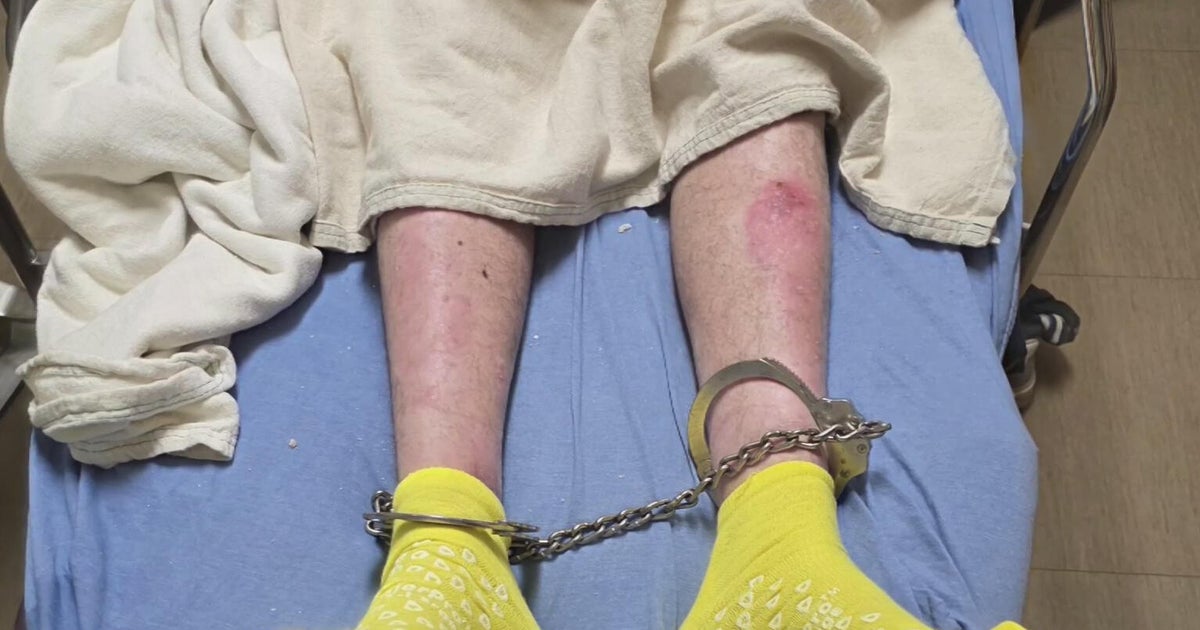
Hani Duglof and his brother Mohamad Duklef came to Minnesota seeking help for a rare skin condition that makes their skin tear and blister easily. Despite being in the asylum process for years, Duglof was detained by ICE during a routine traffic stop in Wisconsin. Due to his fragile skin condition, he faced challenges in detention, including being unable to provide fingerprints and needing special dietary accommodations due to his condition. Medical documents from M Health Fairview Southdale's emergency department indicated that Duglof required additional care beyond what ICE could provide at the Bishop Henry Whipple Federal Building in Fort Snelling.
Duglof's brother, Duklef, worked with their lawyer to secure Duglof's release on bond after spending time in detention. Duglof had followed all legal processes, including studying at Saint Paul College and working as an IT specialist. He had applied for asylum in the U.S. due to the civil war in Libya. Despite ICE's claims of targeting criminals through Operation Metro Surge, many individuals like Duglof, who have not been convicted of crimes, have been detained as part of the operation.
In conclusion, Hani Duglof's experience highlights the challenges faced by individuals with medical conditions in immigration detention. The case raises questions about the treatment of vulnerable individuals in detention and the impact of immigration enforcement policies on those seeking asylum in the U.S.