Unveiling the Dangerous Parallels: ICE's Recruitment Ad, Proud Boys, and the Legacy of Gavin McInnes
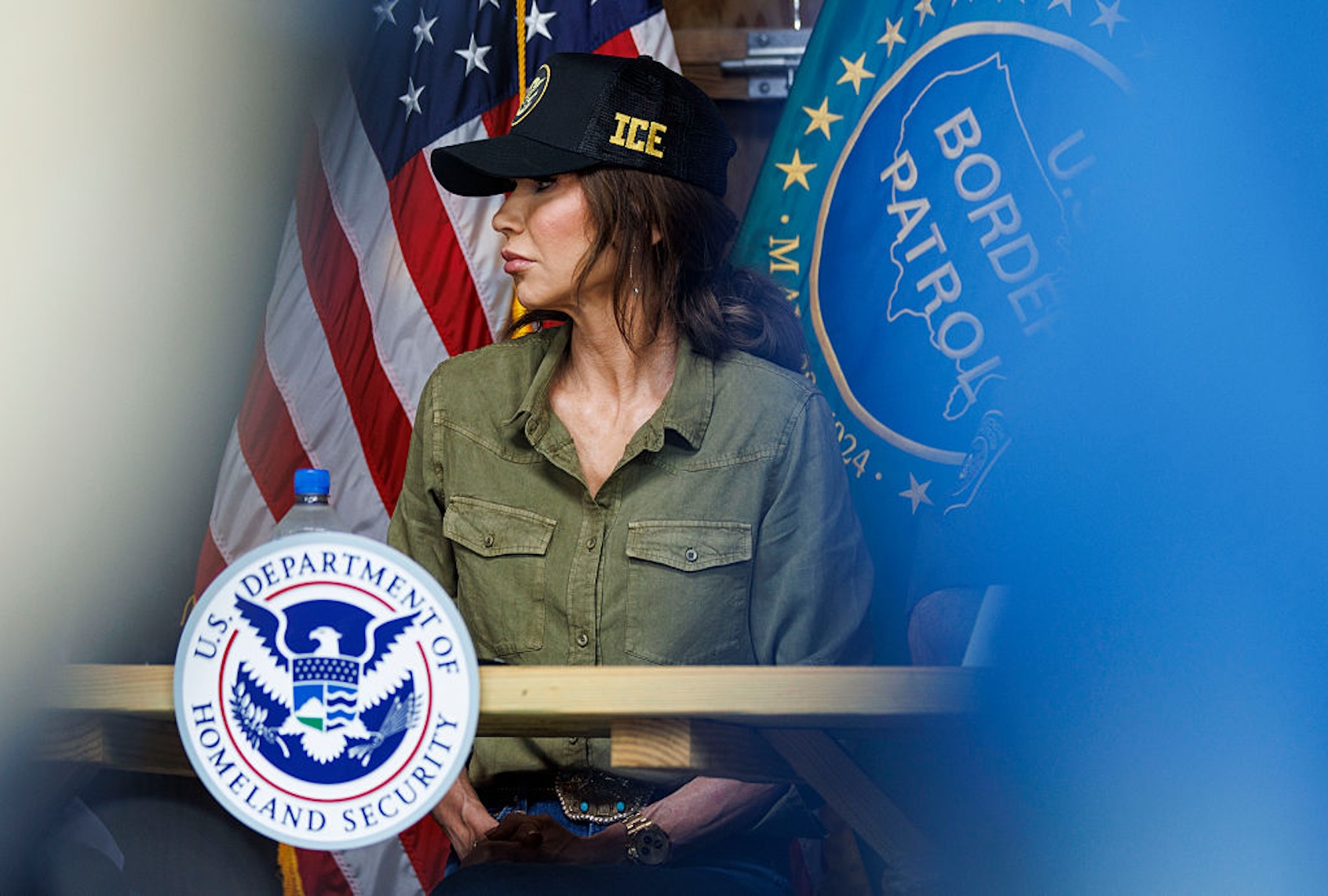
The Department of Homeland Security recently used a song associated with white supremacists in a recruitment ad for Immigration and Customs Enforcement (ICE). The song, "We'll Have Our Home Again," has been embraced by racist groups like the Proud Boys. ICE, under the leadership of Kristi Noem, has been likened to the Proud Boys due to its tactics and mission alignment. The agency's aesthetics and language mirror those of the Proud Boys, with a focus on identity concealment and racist rhetoric.
Gavin McInnes, the founder of the Proud Boys, promoted a vision of restoring masculinity and social status to disenfranchised white men through bigotry and violence. He advocated for violent tactics and justified extreme responses to perceived insults from the left. McInnes portrayed liberalism as a mental disorder and encouraged physical violence as a means of asserting dominance. His followers acted on these beliefs, targeting liberal cities and engaging in violent confrontations.
McInnes' views on racial diversity and white safety were rooted in hostility towards people of color. He characterized Black people as violent and denigrated minority neighborhoods as welfare havens. His narrative painted people of color as threats that needed to be subdued through intimidation and abuse. The violence and chaos inflicted by ICE agents in Minneapolis contradict the agency's purported mission of protecting Americans.
Despite McInnes' retreat from the public eye, his influence on right-wing violence persists. The justification for violence against dissenters and the demonization of racial diversity echo the rhetoric he used to build up the Proud Boys. The parallels between ICE's actions in Minneapolis and McInnes' ideology highlight the dangerous consequences of embracing extremist beliefs. The narrative of white male violence as heroic and purifying continues to fuel aggression and division in society.