Hard-Line Cleric Calls for Death Penalty: Iran's Response to Protests and External Threats
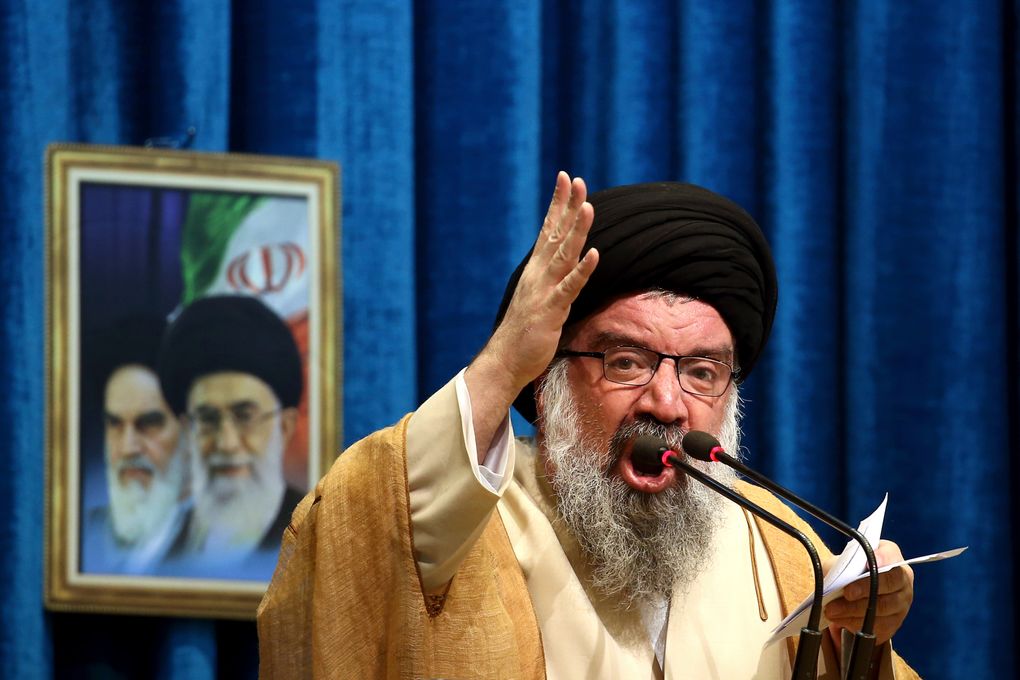
In Iran, a hard-line cleric leading Friday prayers called for the death penalty for protesters and directly threatened U.S. President Donald Trump. Ayatollah Ahmad Khatami's sermon, broadcast on Iranian state radio, incited chants demanding the execution of "armed hypocrites." The protests, initially about Iran's economy, escalated into a challenge against the country's theocracy. The cleric accused protesters of being aligned with Israeli Prime Minister Benjamin Netanyahu and Trump, warning of "hard revenge" from the system.
The demonstrations, which began in late December, led to a nationwide crackdown by Iranian authorities. Internet access was cut off, and dissent was met with a violent response, resulting in a reported death toll of at least 2,677 people. Khatami, a prominent figure appointed by Supreme Leader Ayatollah Ali Khamenei, provided statistics on the damage caused during the protests, including damage to mosques, prayer halls, and homes of Friday prayer leaders. He emphasized the protesters' alleged intent to destabilize the country and undermine its religious foundations.
Khatami's remarks at Friday prayers highlighted the government's stance on the protests and the perceived threats posed by demonstrators. As a cleric with access to official data, his statements carried weight and reflected the authorities' response to the unrest. The call for the arrest of individuals supporting the rioters underscored the government's determination to quell dissent and maintain control. The cleric's rhetoric and accusations against external forces like the U.S. and Israel signaled a hard-line stance against perceived threats to Iran's stability and religious values.
In conclusion, Ayatollah Ahmad Khatami's sermon during Friday prayers in Iran underscored the government's uncompromising stance against protesters and external influences. The crackdown on dissent and the call for harsh measures against demonstrators reflected the regime's determination to maintain control and suppress challenges to its authority. The cleric's statements, delivered in a public setting, conveyed the regime's message to the public and emphasized the perceived threats to Iran's religious and national identity.