Unveiling Trump's Tyrannical Turn: Insights from a New York Times Interview
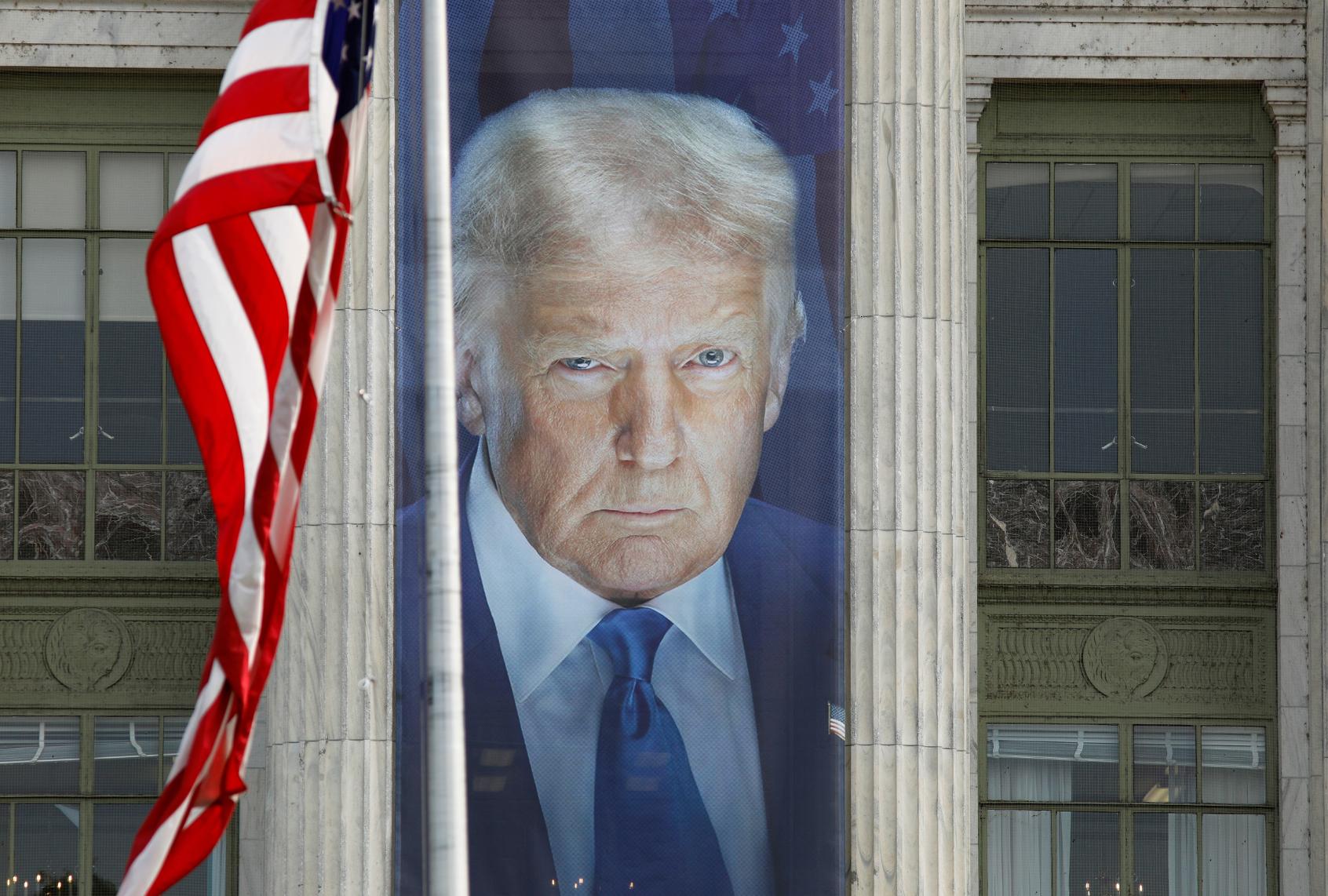
The Trump administration has been making significant moves in the first weeks of the new year, including deposing a foreign leader, military actions in various countries, and initiating a criminal investigation against the chair of the Federal Reserve. Amidst these events, a two-hour interview with Donald Trump by the New York Times has gone somewhat unnoticed. The interview provides insight into Trump's evolving mindset, revealing a shift towards a more dangerous and tyrannical approach in his second term as president. Trump's actions and responses in the interview suggest a ruling style characterized by self-interest, fear, and repression, aligning more with tyranny than authoritarianism or fascism.
The concept of tyranny, as defined by ancient philosophers like Plato and Aristotle, seems to resonate more with Trump's leadership style. While many Americans have come to view Trump's presidency as authoritarian or fascist, his interview with the Times sheds light on his inclination towards ruling for his own benefit rather than the common good. Trump's disregard for checks on his power, including international law and moral constraints, underscores his belief in his invulnerability and ability to act without regard for established norms or laws.
Throughout the interview, Trump's self-centered approach is evident, with a focus on his own interests and desires rather than ideological or philosophical principles. His belief in his own infallibility and the lack of accountability for his actions have emboldened him to rule based on whim and self-aggrandizement. Trump's dismissal of constraints such as treaties, agreements, and laws signals his intent to act unilaterally and without regard for established norms or legal boundaries.
Trump's actions as president, including deploying armed officers in American cities and engaging in conflicts of interest with his family company, reflect his belief that he can act with impunity and without consequences. His willingness to push boundaries and create a climate of fear to justify his actions further underscores his tyrannical tendencies. The interview highlights Trump's authoritarian and fascistic character, but ultimately, his ruling style is driven by self-interest, threats, and extortion.
The interview with the New York Times reveals a troubling shift in Trump's leadership style towards tyranny, characterized by a disregard for established norms, laws, and moral constraints. Trump's belief in his own invulnerability and his willingness to act without accountability pose a threat to the principles of democracy and the rule of law. As ordinary citizens face down Trump's authoritarian actions, the importance of upholding democratic values and fighting for individual rights becomes increasingly clear. Democracy, despite its weaknesses, remains the best hope for safeguarding against tyranny and preserving the principles of life, liberty, and happiness.