Stars and Stripes: Navigating Editorial Independence and Press Freedom in Military Reporting
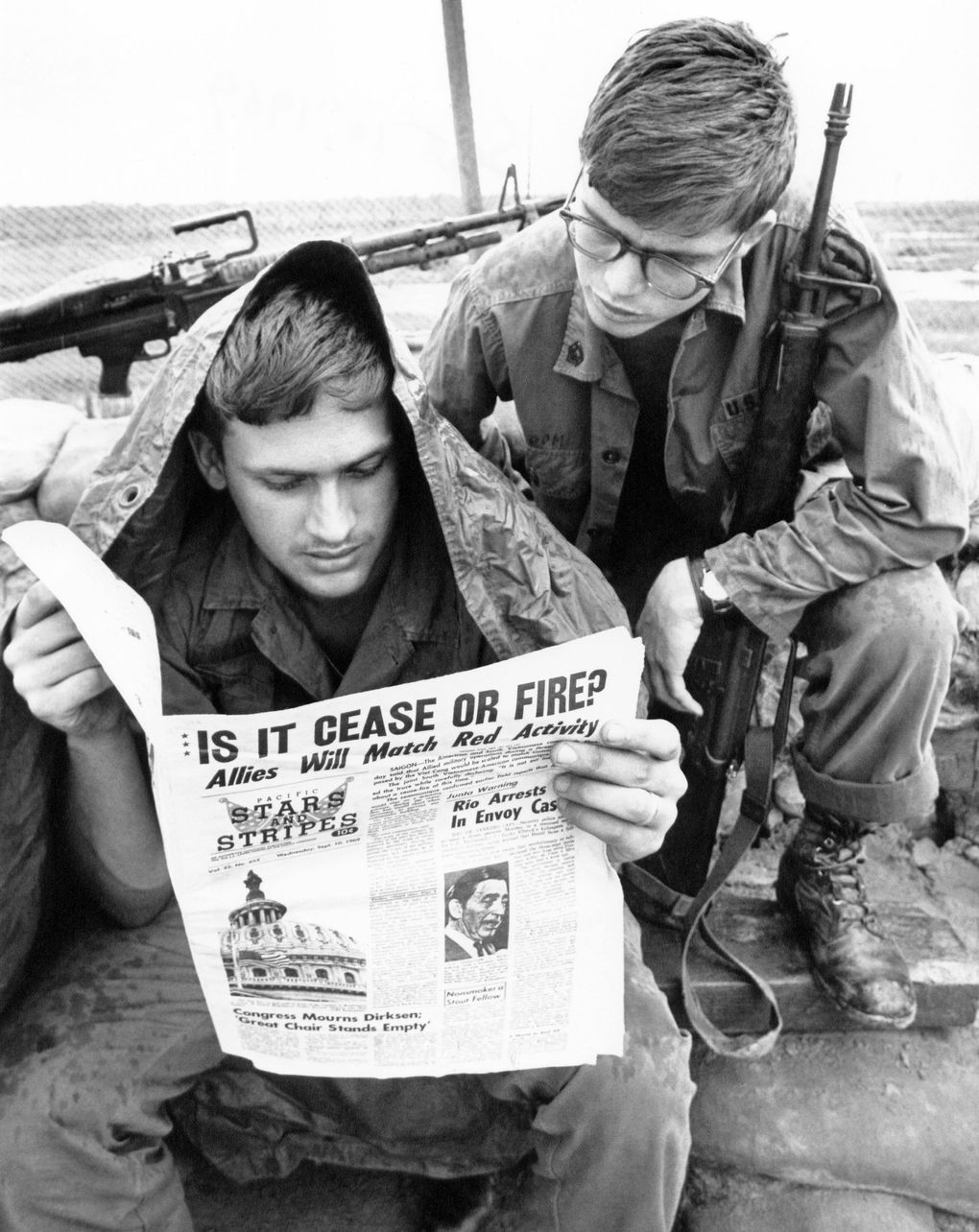
The Pentagon announced a change in the focus of the military newspaper Stars and Stripes to prioritize reporting for service members and eliminate what they referred to as "woke distractions." The Defense Secretary's spokesman shared this message on social media, without mentioning the publication's history of independence from government influence. Stars and Stripes, with roots dating back to the Civil War, has been reporting on military news since World War II, primarily for service members stationed abroad. Approximately half of its funding comes from the Pentagon, and its staff are considered Defense Department employees.
The outlet prides itself on editorial independence and adherence to First Amendment principles, distinguishing it from other news organizations affiliated with the Defense Department. Congress established this independence in the 1990s to prevent military leadership from interfering in editorial decisions. During Trump's first term, Defense Secretary Mark Esper attempted to cut government funding for Stars and Stripes, but the decision was overturned by the president. The Pentagon's current goal is to refocus the publication on warfighting, weapons systems, fitness, and military-related topics, moving away from what they perceive as distractions.
Stars and Stripes' publisher, Max Lederer, has not responded to the recent changes. The outlet's ombudsman, Jacqueline Smith, expressed surprise at the Pentagon's statement, emphasizing the importance of maintaining editorial independence for credibility. Smith, appointed by Congress to oversee this independence, reports to the House Armed Services Committee. The Trump administration's actions, including imposing restrictions on journalists and targeting government-funded outlets like Voice of America, have raised concerns about press freedom.
The administration's efforts to control media outlets have sparked controversy, with journalists raising concerns about loyalty tests and intimidation tactics. The recent changes at Stars and Stripes, including questions about supporting Trump's policies in job applications, have drawn criticism for potentially compromising journalistic integrity. Smith clarified that the loyalty test was part of the government's hiring process, not the newspaper's initiative, but emphasized that journalists' loyalty should be to the truth, not any administration.
In conclusion, the Pentagon's decision to refocus Stars and Stripes on military-related content and away from perceived distractions has raised questions about editorial independence and press freedom. The publication's legacy of reporting important news for service members is at the forefront of discussions surrounding these changes, highlighting the ongoing debate over government influence in media organizations.