Federal Immigration Agents in Minneapolis: Concerns Over Aggressive Tactics During Protests
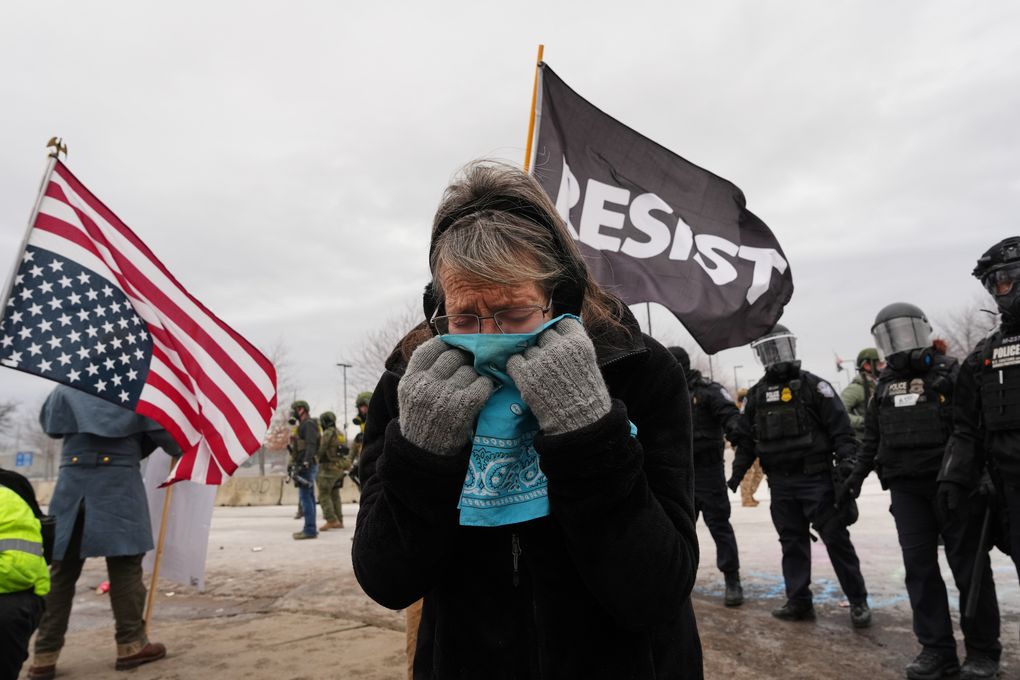
Federal immigration agents in Minneapolis have been employing aggressive tactics during protests, including pointing rifles at demonstrators and using chemical irritants. These actions are said to be necessary for officer protection but are raising concerns due to the lack of crowd-management training among the agents involved. Videos and accounts show agents breaking vehicle windows, deploying tear gas, and pepper spray, which experts warn can escalate risks in crowd situations.
The Trump administration's immigration enforcement surge in Minneapolis has seen over 2,000 officers from the Department of Homeland Security deployed to the area. These officers, primarily focused on arrests and deportations, are now handling crowd-management roles traditionally handled by local police. This shift in authority is criticized for its potential to turn protests into dangerous situations and goes against de-escalation standards.
Following the fatal shooting of Renee Good by an immigration agent, tensions have heightened, leading to increased protests and scrutiny of the federal response. The American Civil Liberties Union of Minnesota has filed a lawsuit seeking restrictions on federal agents' actions during protests, including limitations on the use of chemical agents and firearms. Former ICE Director Sarah Saldaña expressed concerns about the current approach to immigration apprehensions and the lack of crowd-management training for officers.
Experts emphasize the importance of proper training for law enforcement officers involved in crowd management. While ICE officers undergo training in conflict management and de-escalation, concerns remain about their experience in handling public order tactics. The absence of standard accountability practices and substandard law enforcement practices in Minneapolis raise alarms among experts, who stress the need for adherence to best practices and policies.
Local police departments have evolved their practices to engage with protesters, set boundaries, and avoid unnecessary force to prevent escalation. Despite the evolution of training for officers responding to civil unrest, there is no nationwide standard of best practices. Experts recommend regular review of written policies and training simulations to ensure officers are prepared to handle crowd situations effectively. The community's trust in local officers and their relationship with the community play a crucial role in maintaining order during protests.
The escalating aggression from both law enforcement and protesters in Minneapolis is a cause for concern, as confrontations continue to intensify. The need for proper training, adherence to policies, and de-escalation tactics is emphasized by experts to prevent further escalation and ensure the safety of all involved parties. The evolving dynamics of crowd management and the challenges faced by federal immigration agents in handling protests underscore the importance of training and accountability in maintaining public safety.