Controversy Surrounding Renee Good's Shooting: Departures and Dissatisfaction at the U.S. Justice Department
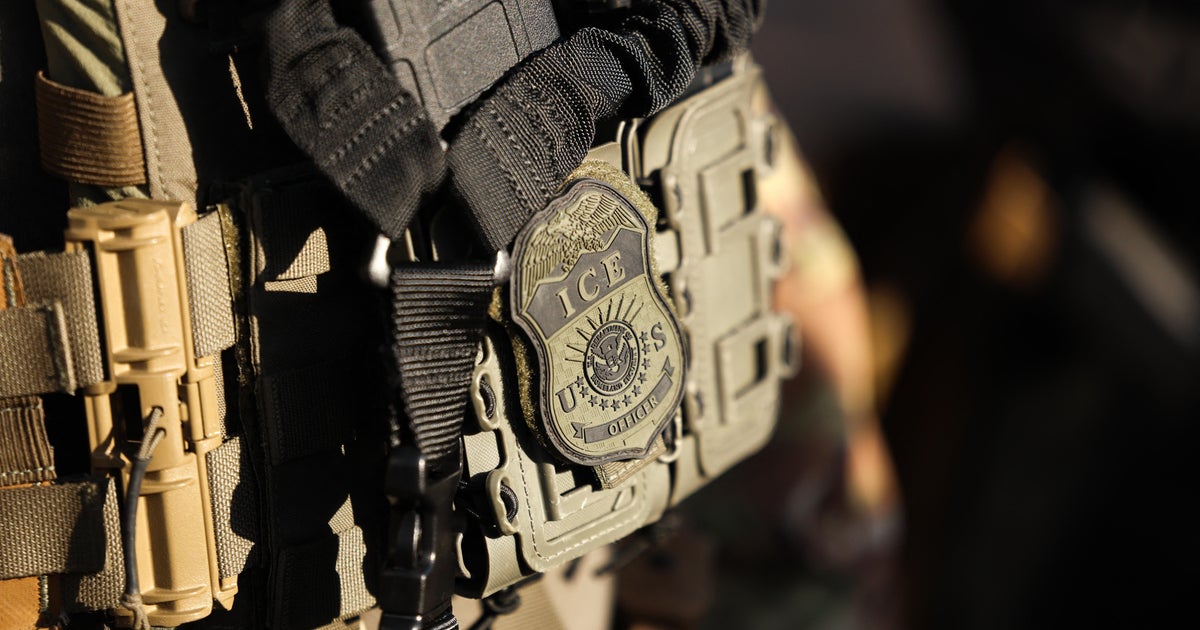
In the aftermath of the tragic shooting of Renee Good by a federal immigration agent, there has been a significant exodus of Justice Department prosecutors and officials who have expressed dissatisfaction with the department's handling of the case. Senior leaders at the U.S. Justice Department have instructed federal prosecutors specializing in civil rights crimes not to investigate Good's death in Minneapolis, a move that deviates from the department's guidelines. The decision to sideline the Civil Rights Division's criminal section has raised concerns among legal experts and led to the departure of several officials from the division.
Deputy Attorney General Todd Blanche stated that there is no basis for a criminal civil rights investigation into Good's shooting, a stance that contradicts the opinions of many legal experts who find the lack of Civil Rights Division involvement in such cases unprecedented and troubling. The departure of six career officials from the Civil Rights Division's criminal section, along with the resignation of federal prosecutors in Minnesota, underscores the growing discontent over the department's approach to criminal civil rights enforcement.
The Civil Rights Division's criminal section, established during the post-Civil War Reconstruction Era, plays a crucial role in prosecuting hate crimes and cases involving law enforcement misconduct, including the use of excessive force. The division utilizes statutes like 18 USC 242 to address misconduct allegations by law enforcement officers, with the potential for severe penalties in cases involving aggravating factors such as death. Despite the current administration's stance on the Good case, future administrations could still pursue federal criminal cases related to excessive force under the color of law.
Cases like the one in Minneapolis are considered to be in the national interest, requiring coordination between the assistant attorney general of the Civil Rights Division and the local U.S. Attorney's office. The Justice Manual outlines the procedures for handling national interest cases, emphasizing the importance of collaboration and consultation among relevant parties before public statements are made. Past cases involving the use of force by law enforcement officers, such as the prosecution of Derek Chauvin in George Floyd's death and the charges against officers in Breonna Taylor's case, highlight the critical role of the Civil Rights Division's criminal section in addressing civil rights violations.
In conclusion, the handling of Renee Good's shooting death by federal prosecutors has sparked controversy and led to the departure of numerous officials from the Justice Department. The decision to sideline the Civil Rights Division's criminal section in investigating the case has raised concerns about the department's commitment to enforcing criminal civil rights laws. As the fallout from Good's shooting continues, the role of the Civil Rights Division in addressing cases of law enforcement misconduct remains a topic of scrutiny and debate.