State Department Halts Immigrant Visa Processing for 75 Countries Over Public Charge Concerns
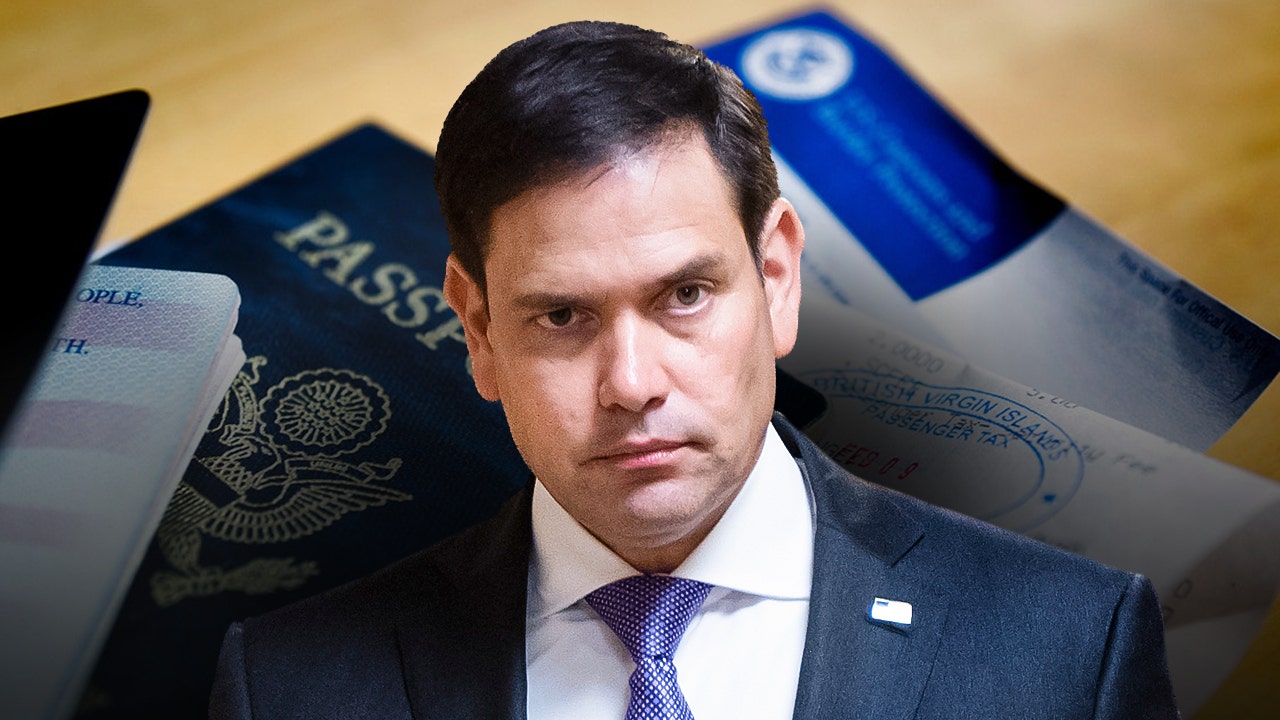
The State Department has decided to halt immigrant visa processing for 75 countries to prevent potential public charge applicants. Consular officers are directed to refuse visas while screening and vetting procedures are under review. The affected countries include Somalia, Russia, Afghanistan, Brazil, Iran, Iraq, Egypt, Nigeria, Thailand, and Yemen. The pause will start on January 21 and continue until the reassessment is completed.
Somalia has faced increased scrutiny due to a fraud scandal in Minnesota involving taxpayer-funded benefit programs. The State Department issued new screening rules in November 2025 to enforce the "public charge" provision of immigration law. Consular officers are instructed to deny visas to applicants likely to rely on public benefits based on various factors like health, age, finances, and past use of government assistance.
The enforcement of the public charge provision has been inconsistent across administrations, with broad discretion given to consular officers. Exceptions to the visa pause will be rare and granted only after applicants pass public charge considerations. The Biden administration's 2022 version of the public charge rule narrowed the scope of benefits considered, excluding programs like SNAP, WIC, Medicaid, and housing vouchers.
The Immigration and Nationality Act allows consular officers to reject applicants on public charge grounds. President Donald Trump expanded the definition of public benefits in 2019, which was later challenged in court and rescinded by the Biden administration. The list of countries affected by the visa pause includes a wide range of nations from Afghanistan to Yemen.
In conclusion, the State Department's decision to pause immigrant visa processing for 75 countries aims to prevent potential public charge applicants from exploiting U.S. welfare and public benefits. The reassessment of visa processing procedures will ensure that foreign nationals entering the country do not burden American taxpayers.