Navigating Inflation Trends: A December Overview and Economic Outlook
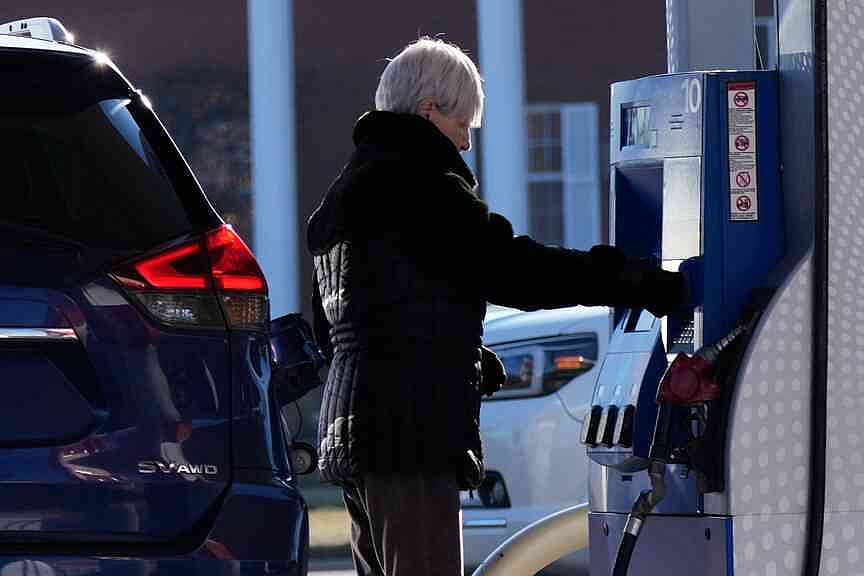
Inflation showed signs of easing last month, with consumer prices rising by 0.3% in December, similar to the previous month. Core prices, excluding food and energy, also increased by 0.2%. Economists had anticipated a larger jump in inflation due to data collection resuming after a government shutdown, making the modest increase a relief. The price of manufactured goods remained flat, indicating a potential decline in the impact of tariffs.
The year-over-year comparison revealed that consumer prices were 2.7% higher, or 2.6% when excluding food and energy prices. This slight cooling of inflation could lead to a possible reduction in the Federal Reserve's key interest rate later in the year, potentially lowering borrowing costs for mortgages, auto loans, and credit cards. Despite this, the significant price hikes in essential items like groceries, rent, and utilities have put financial strain on many households.
President Trump has introduced various measures to address rising costs, including proposed bans on certain purchases and tariffs on imported goods. Food prices increased in December, with a 2.4% rise compared to the previous year. Notably, egg prices continued to decline, while other categories like fruits, vegetables, coffee, and bakery products saw price increases.
The inflation rate has been influenced by factors such as the decline in the cattle herd, leading to higher beef prices. Trump has highlighted the drop in egg prices and celebrated the recent inflation figures on social media. However, tariffs have contributed to inflation, as noted by John Williams of the Federal Reserve Bank of New York.
Productivity growth has positively impacted inflation, with businesses able to raise wages without increasing prices significantly. Used cars and trucks experienced a price drop, while new vehicle prices remained stable. Appliance prices decreased in December, and airline fares unexpectedly rose. Grocery prices also increased, driven by higher costs for meats, dairy, and coffee.
Rents have started to decline from pandemic highs, but the impact on the consumer price index has been gradual. Energy prices varied across sources, with gasoline prices decreasing while electricity and natural gas prices rose. The Federal Reserve's plan to address inflation includes monitoring data closely and adjusting interest rates accordingly.
Inflation has decreased from its peak in 2022 but remains close to 3%. The Fed aims to balance inflation control with supporting employment through interest rate adjustments. Trump has criticized the Fed for not cutting rates further to reduce borrowing costs. The Fed's decision to hold off on additional rate cuts reflects its cautious approach to managing inflation and economic growth.