DOJ's Decision on Renee Good Case Sparks Controversy and Resignations
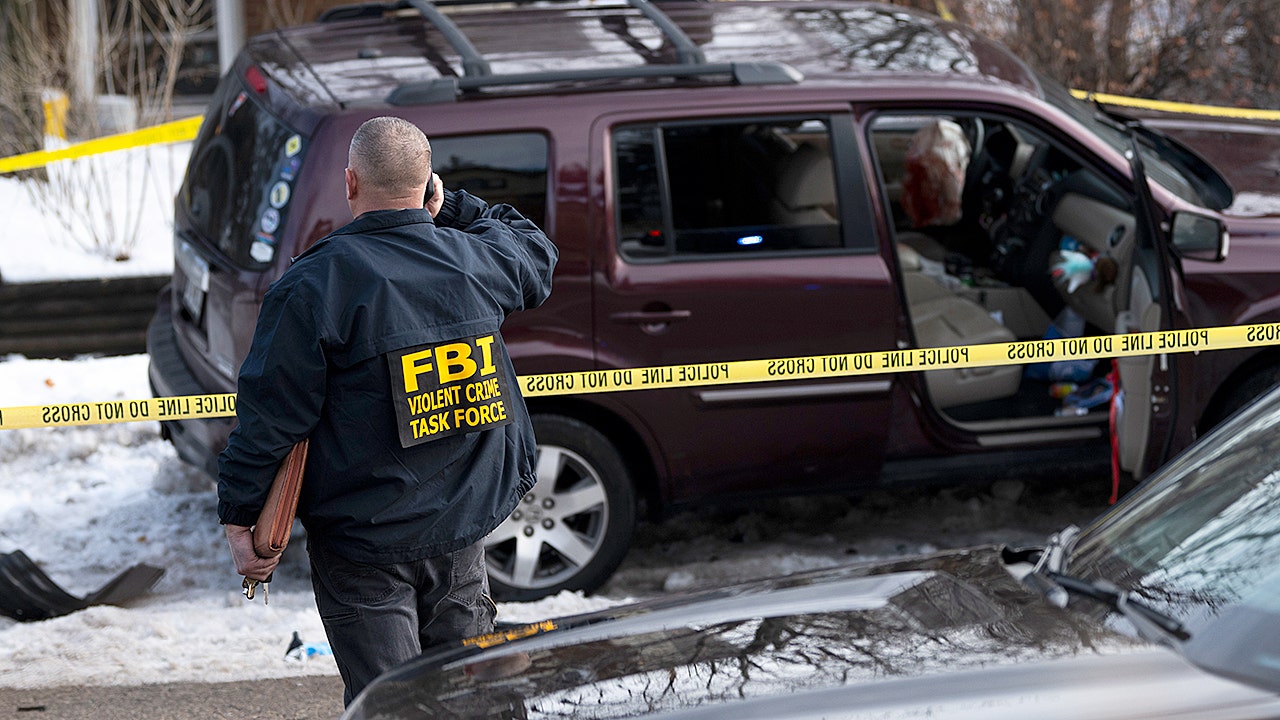
The Department of Justice (DOJ) has decided not to pursue a criminal civil rights investigation into the killing of Renee Good by a U.S. Immigration and Customs Enforcement (ICE) officer in Minneapolis. This decision diverges from previous administrations' practices of initiating civil rights reviews in such cases, even when criminal charges were unlikely. The Civil Rights Division lawyers were informed that they would not be involved in the investigation at this time, according to sources familiar with the matter. Deputy Attorney General Todd Blanche stated that there is currently no basis for a criminal civil rights investigation.
CNN reported Blanche's statement without providing details on the rationale behind the DOJ's decision. Federal officials have defended the ICE officer's actions as self-defense when Good drove her vehicle toward him, labeling her actions as "an act of domestic terrorism." The decision to exclude the Civil Rights Division from the ongoing investigation has raised concerns about the thoroughness of the review under the Trump administration.
Minnesota officials have alleged that federal authorities obstructed state investigators from accessing evidence and claimed that the state lacks jurisdiction to conduct an independent investigation into the shooting. The DOJ stated that ICE Office of Professional Responsibility (OPR) is conducting its own investigation, running parallel to any FBI inquiry. Following the DOJ's decision, several federal prosecutors involved in the case, including supervisors in the Justice Department's Civil Rights Division, have resigned.
Among the resignations was First Assistant U.S. Attorney Joseph Thompson, who oversaw major fraud prosecutions in Minnesota. Minneapolis Mayor Jacob Frey criticized the situation, praising the prosecutors who resigned and condemning those advocating for Good's prosecution. The resignations are part of a broader trend of career Justice Department attorneys leaving amid concerns about political influence and changing enforcement priorities. The DOJ denied any connection between the resignations and the Minnesota case, stating that the prosecutors had requested early retirement before the shooting incident.
In conclusion, the DOJ's decision not to pursue a criminal civil rights investigation into Renee Good's killing by an ICE officer in Minneapolis has sparked controversy and led to the resignation of several federal prosecutors. The handling of the case has raised questions about the administration's commitment to a thorough review of the incident and has drawn criticism from local officials and the public.