State Initiatives to Regulate Synthetic Dyes in Food: A Look at West Virginia's Groundbreaking Ban and the MAHA Agenda
Adam Burkhammer, a West Virginia legislator, noticed a positive change in his foster child's behavior after removing synthetic dyes from their diet. This experience led him to sponsor a bill banning seven dyes from food sold in the state, making West Virginia the first state to implement such a ban. Several other states have also introduced bills aimed at regulating synthetic dyes in food products.
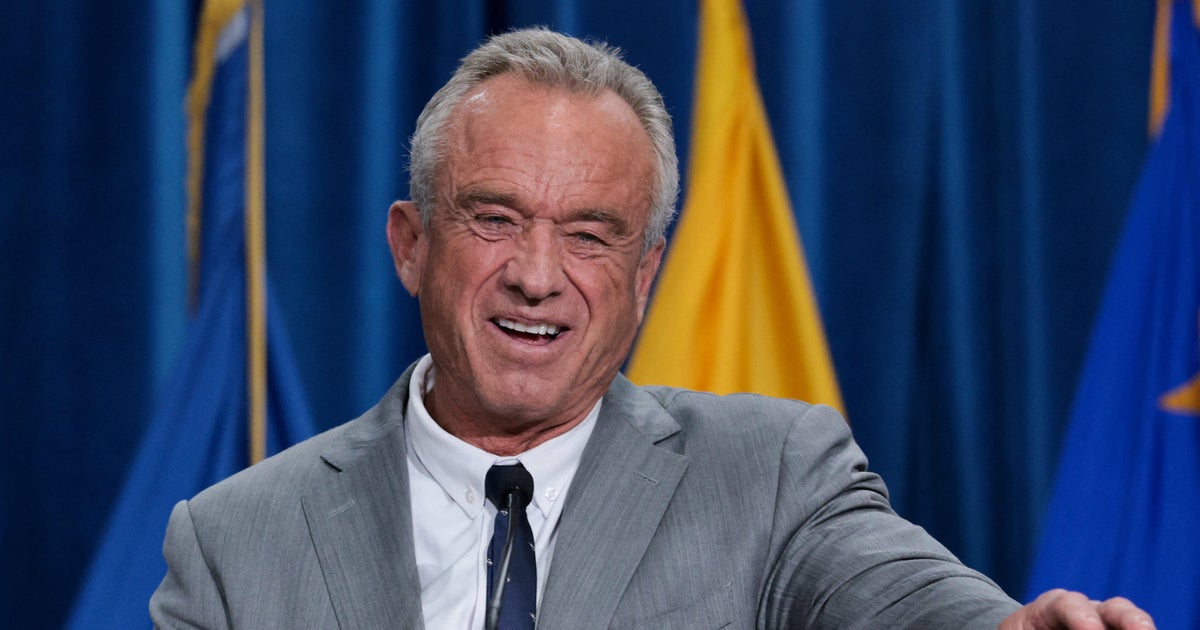
The broader "Make America Healthy Again" (MAHA) agenda, promoted by Health and Human Services Secretary Robert F. Kennedy Jr., has gained traction at the state level. The $50 billion Rural Health Transformation Program incentivizes states to implement MAHA policies, including measures to address food dyes, vaccines, and other health-related issues.
Several states have passed laws targeting food dyes, requiring warning labels on certain products or banning the sale of items with synthetic dyes in schools. Major food companies like Nestle and PepsiCo have committed to eliminating artificial color additives from their products. State laws have been a driving force behind this shift in the food industry.
The bipartisan support for bills addressing food dyes and ultraprocessed foods is notable, with states like California and West Virginia leading the way. Efforts to define and phase out ultraprocessed foods in schools have gained momentum, with potential legal battles on the horizon. The Rural Health Transformation Program offers incentives for states to implement changes in SNAP eligibility related to nutrition.
While there is agreement on the need to address nutrition concerns, there are differences in priorities between political parties. MAHA advocates on the right have focused less on sugar and sodium, leading to disagreements on which foods to target. The debate extends to issues like raw milk consumption and saturated fat intake, highlighting the complexity of nutrition policy.
As states navigate these challenges, there is a growing trend of setting standards independent of federal recommendations. Democratic governors have formed a public health alliance to address vaccine access, while some red states have moved to eliminate vaccine mandates. The push to eliminate artificial dyes contrasts with the EPA's relaxation of chemical restrictions, prompting calls for action at the federal level.
While Congress has yet to act on most MAHA proposals, state lawmakers are actively addressing health policy changes. The intersection of nutrition, vaccines, and environmental regulations presents a complex landscape for policymakers to navigate in the pursuit of a healthier America.