Federal Reserve Chair Faces Subpoenas and Criminal Charges: Escalating Conflict with Trump Administration
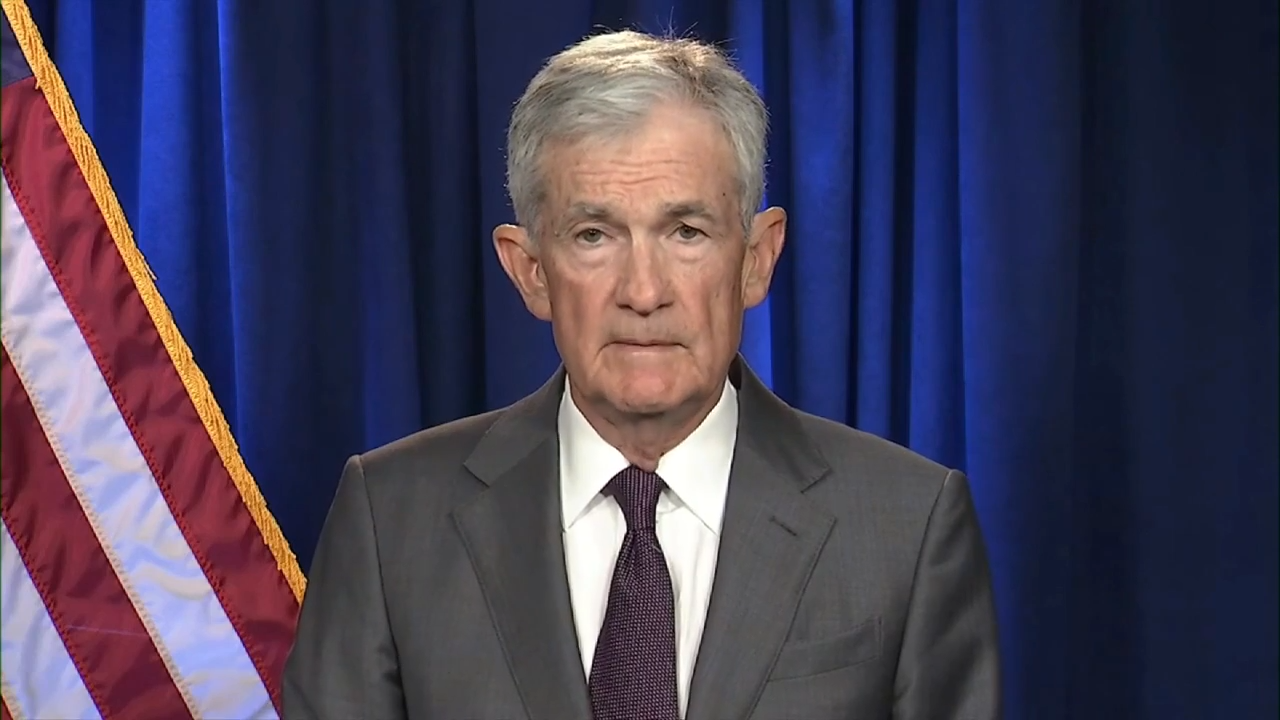
The Federal Reserve Chair, Jerome Powell, revealed that the Department of Justice has issued subpoenas and threatened criminal charges against the central bank regarding Powell's testimony on the Fed's building renovations. This move marks a significant escalation in President Trump's ongoing conflict with the Fed over interest rate cuts. Powell emphasized that the criminal charges are an attempt to undermine the Fed's independence in setting interest rates based on economic conditions rather than political preferences.
The subpoenas are linked to Powell's testimony before the Senate Banking Committee in June, where he addressed the Fed's $2.5 billion renovation project that Trump criticized as excessive. Powell's response to the threats of criminal charges represents a departure from the Fed's previous restrained approach to Trump's criticisms. The renewed attacks on the Fed's independence could impact financial markets and potentially raise borrowing costs for mortgages and other loans.
The Fed's independence from political pressure in setting interest rates is crucial for maintaining global investors' confidence in U.S. Treasury securities. The escalating conflict between Trump and Powell raises concerns about the Fed's ability to operate free from political interference. The potential consequences of this clash could lead to market volatility and a sell-off in the dollar, bonds, and stocks.
Despite Trump's denial of knowledge about the investigation into Powell, the situation underscores the growing tension between the administration and the Fed. Powell's term as chair is set to end in May, and the administration has hinted at naming a potential replacement. The Justice Department's involvement in the matter has raised alarms among lawmakers, with one Republican senator vowing to oppose any future Fed nominee until the legal issues are resolved.
The threats of criminal charges against Powell highlight the broader implications of the Trump administration's efforts to challenge the Fed's independence. The ongoing conflict between the President and the central bank could have far-reaching consequences for monetary policy and financial stability. Powell's defense of the Fed's autonomy underscores the importance of maintaining the institution's credibility in setting interest rates based on economic considerations rather than political pressures.